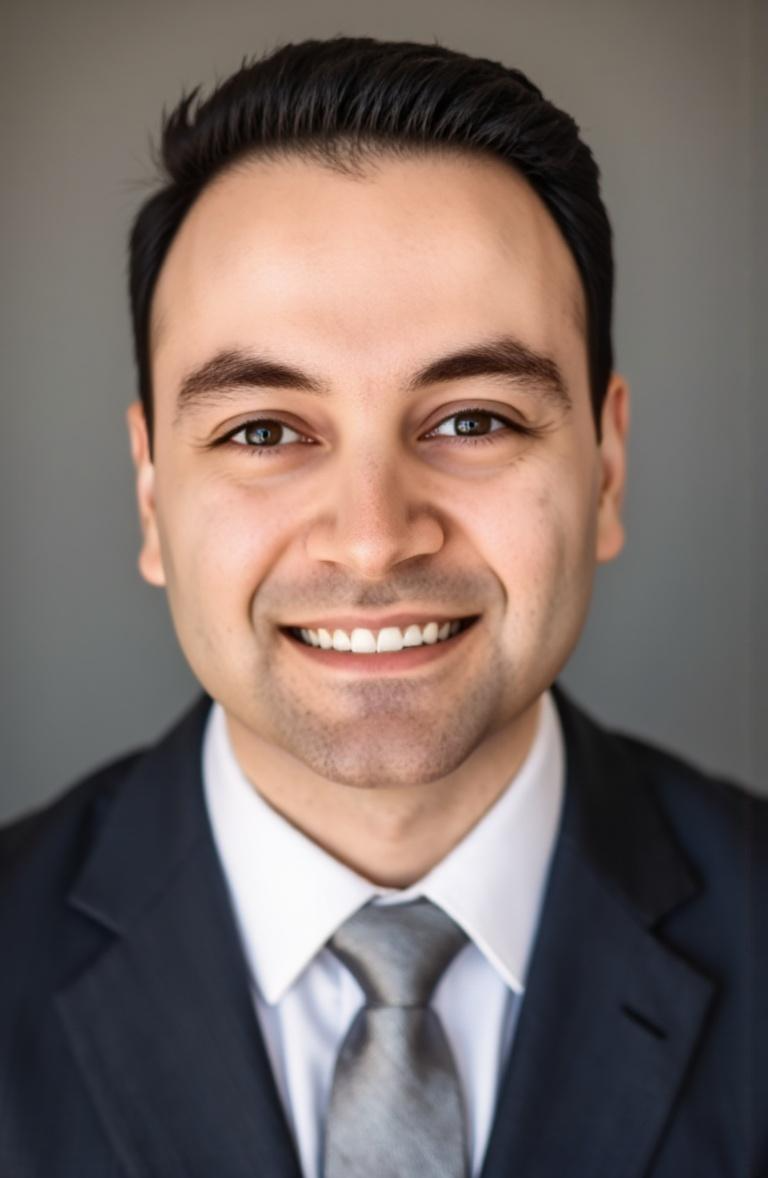


8 min read · By Dr. Kevin Baharvand, Diplomate, American Board of Orthodontics
Short answer: You can improve some overbites naturally, mainly mild, habit-driven ones in growing children, using myofunctional therapy, better tongue posture, and breaking habits like thumb sucking. But a true skeletal overbite, where the jaws are the cause, won’t close with exercises. Braces or clear aligners are how most overbites actually get corrected, and severe cases sometimes need surgery. The honest first step is finding out which kind you have.
On this page
Search “fix an overbite naturally” and you’ll find a hundred jaw exercises promising to reshape your bite for free. I understand the appeal. Nobody wakes up excited to spend on braces. So let me give you the straight version an orthodontist would tell a friend: some of it helps, a lot of it is oversold, and the honest answer depends entirely on what’s causing your overbite in the first place.
What an overbite actually is
An overbite is how far your upper front teeth overlap your lower front teeth vertically. A little overlap is normal and healthy. The problem is a deep overbite, where the uppers cover far too much of the lowers, sometimes to the point the lower teeth bite into the gum behind the uppers. That’s different from an overjet, where the upper teeth stick out horizontally. People mix the two up constantly, so if you want the full breakdown, our guide on overbite versus overjet is the place to start.
Why does a deep overbite matter? Left alone, it can wear the lower teeth down unevenly, strain the jaw joint, and irritate the gums. A mild one may need nothing. A deep one is worth addressing.
Dental vs skeletal: the key question
This is the distinction that decides whether “natural” is even on the table. A dental overbite is mostly about tooth position: the jaws are basically fine, but the teeth have erupted or drifted into a deep bite. A skeletal overbite comes from the jaws themselves, usually a lower jaw that’s set back or an upper jaw that’s grown down too far.
Here’s the practical upshot. Muscle and posture work can nudge a dental overbite, especially while a child is growing. It cannot reshape the bones of a skeletal overbite. No exercise moves a jaw that’s built a certain way. That’s not pessimism, it’s just anatomy, and knowing which camp you’re in saves you months of effort on the wrong approach.
What natural methods can and can’t do
Let’s give the natural approaches their fair due, because they aren’t nothing. Myofunctional therapy, a guided program of tongue and facial muscle exercises, can genuinely help by correcting the resting posture and habits that contributed to a bite problem. Tongue posture, keeping the tongue resting against the palate rather than low in the mouth, supports healthy development. And breaking habits like thumb sucking, prolonged pacifier use, or tongue thrusting removes a force that’s actively worsening the bite. A related restriction like a tongue tie can be part of that picture too.
What these can’t do is move teeth into alignment or reposition a jaw. They set the stage and, in a growing child, can reduce how much treatment is needed later. In an adult with established teeth, they help maintain and support, but they won’t close a real overbite on their own. Be especially skeptical of aggressive “mewing” or DIY jaw routines online. Pushed too far, they range from useless to harmful, which we cover in our look at DIY dental hacks.
Approach by approach
| Approach | Can help with | Won’t fix |
|---|---|---|
| Myofunctional therapy | Posture, muscle habits, supporting treatment | Moving teeth or repositioning jaws |
| Tongue posture | Healthy growth in children | An established deep bite |
| Breaking habits | Stopping a bite from worsening | Reversing damage already done |
| Braces / clear aligners | Actually correcting dental and many skeletal overbites | Severe skeletal cases alone (may need surgery) |
The honest headline: “natural” methods are real support, not a standalone cure. They shine in growing kids and as a complement to treatment. If a page promises to close an adult’s deep overbite with tongue exercises alone, that page is selling you something.
Kids vs adults
Timing changes everything here. In a growing child, we can guide the jaws as they develop, so early habit correction and myofunctional work have the most leverage, and treatment later is often simpler. This is exactly why the American Association of Orthodontists recommends a first checkup by age seven.
In adults, the jaws are set. That doesn’t mean you’re stuck, it just means correction leans on orthodontics rather than growth. A mild to moderate overbite is very treatable at any age. A severe skeletal one may involve surgery paired with braces, which we explain in our guide to orthognathic jaw surgery.
How overbites really get fixed
For most people, the reliable answer is orthodontic treatment. Braces and clear aligners move the teeth and, with elastics or attachments, correct how the upper and lower arches meet. When aligners suit the case, we prefer Angel Aligners over Invisalign for fit and comfort, though Invisalign is the brand most people know. In children, growth guidance can do part of the work. In the deepest skeletal cases, orthodontics plus jaw surgery gives a lasting result. You can also read how we approach the overbite as a condition.
The best move isn’t to pick “natural” or “braces” from a headline. It’s to find out whether your overbite is dental or skeletal, mild or deep, growing or stable, and then choose the approach that fits. That takes about one visit to answer.
Frequently asked questions
Can you fix an overbite naturally without braces?
Sometimes, partly, and mostly in growing children. Myofunctional therapy, better tongue posture, and breaking habits like thumb sucking can improve a mild, habit-driven overbite. A true skeletal overbite, where the jaws are the issue, will not close with exercises and needs orthodontic treatment.
Do overbite exercises actually work?
Tongue and jaw exercises can help retrain the muscles and posture that contribute to a mild overbite, especially in kids. They do not move teeth or reposition jaws on their own. Think of them as support for treatment, not a replacement for it, and be wary of aggressive routines you see online.
What is the difference between a dental and skeletal overbite?
A dental overbite is mainly about how the teeth are positioned, while a skeletal overbite comes from the size or position of the jaws themselves. The distinction matters because natural methods and simple tooth movement can help a dental overbite, but a skeletal one usually needs orthodontics and, in severe cases, jaw surgery.
How do braces or aligners fix an overbite?
They gradually move the teeth and, with the right attachments or elastics, adjust how the upper and lower teeth relate. In growing patients we can also guide jaw growth. Clear aligners handle many overbites well, and we prefer Angel Aligners for fit and comfort when aligners are the right tool.
Is it too late to fix an overbite as an adult?
No. Adults correct overbites all the time with braces or aligners. The difference is that we can no longer guide jaw growth, so a severe skeletal overbite may need surgery combined with orthodontics. A mild to moderate overbite is very treatable at any age.
Does an overbite need to be fixed at all?
A small overbite is normal and healthy. A deep or worsening one is worth treating, because it can cause uneven tooth wear, jaw strain, and gum trauma over time. If yours is mild and stable, we may simply monitor it rather than treat it.
Find out what’s really behind your overbite
Dental or skeletal, mild or deep, the right fix depends on the cause. A free consultation and a quick set of records tell you exactly what you’re working with, and what will actually move the needle.
You may also be interested in these
- What Is an Overbite and How Is It Different From an Overjet?
- Tongue Tie and Orthodontic Issues: How It Affects Your Bite
- Everything You Need to Know About Orthognathic (Jaw) Surgery
Why families trust Elate Orthodontics
With over 1,000 five-star reviews across three locations, Elate Orthodontics is led by Dr. Kevin Baharvand, DMD, MS, a Diplomate of the American Board of Orthodontics, whose clinical work was recently selected for the cover of the American Journal of Orthodontics and Dentofacial Orthopedics, the most prestigious peer-reviewed journal in the field, and a national speaker on clear aligner treatment. Alongside Dr. Julia Kang, DMD, MS, both Boston University graduates and members of the Omicron Kappa Upsilon national honor society, our husband-and-wife team has been recognized as D Magazine Best Dentist 2026, Living Magazine Readers’ Choice 2026 Best Orthodontist in Frisco & Plano, Readers’ Choice Best Orthodontist in The Colony, Best New Business by the Chamber of Commerce, Nextdoor Neighborhood Favorite, and featured in Orthotown and Authority Magazine.
We serve families through three convenient offices in West Frisco, North Frisco, and The Colony, each staffed by the same trusted team, equipped with advanced technology, and committed to the personalized approach that consistently helps patients finish treatment sooner than expected. From braces and clear braces to Angel Aligners, we offer treatment for every age and every stage of life. We stay in-network with most insurance plans and offer flexible financing to make exceptional orthodontic care accessible for every family we serve.
Need general and family dentistry too? Our sister practice, Tribute Family Dentistry, provides dental care for all ages.
Book a free consultation: 972.538.4343
About the author
Dr. Kevin Baharvand, DMD, MS, is a Diplomate of the American Board of Orthodontics and a national speaker on clear aligner treatment. He practices at Elate Orthodontics’ offices in West Frisco, North Frisco, and The Colony, Texas.