

6 min read • By Dr. Kevin Baharvand, Diplomate, American Board of Orthodontics • Treatments & Appliances
If you have decided on braces but not which kind, the choice usually comes down to ceramic versus metal. Both straighten teeth the same way, with brackets and a wire, but they look and behave differently day to day. Here is the honest breakdown I give patients so you can pick the one that actually fits your life, not just the one that looks best in a brochure.
How they differThe case for metalThe case for ceramicCostDo they stain?Durability & timeBest by ageWhat we recommendFAQ
How ceramic and metal braces differ
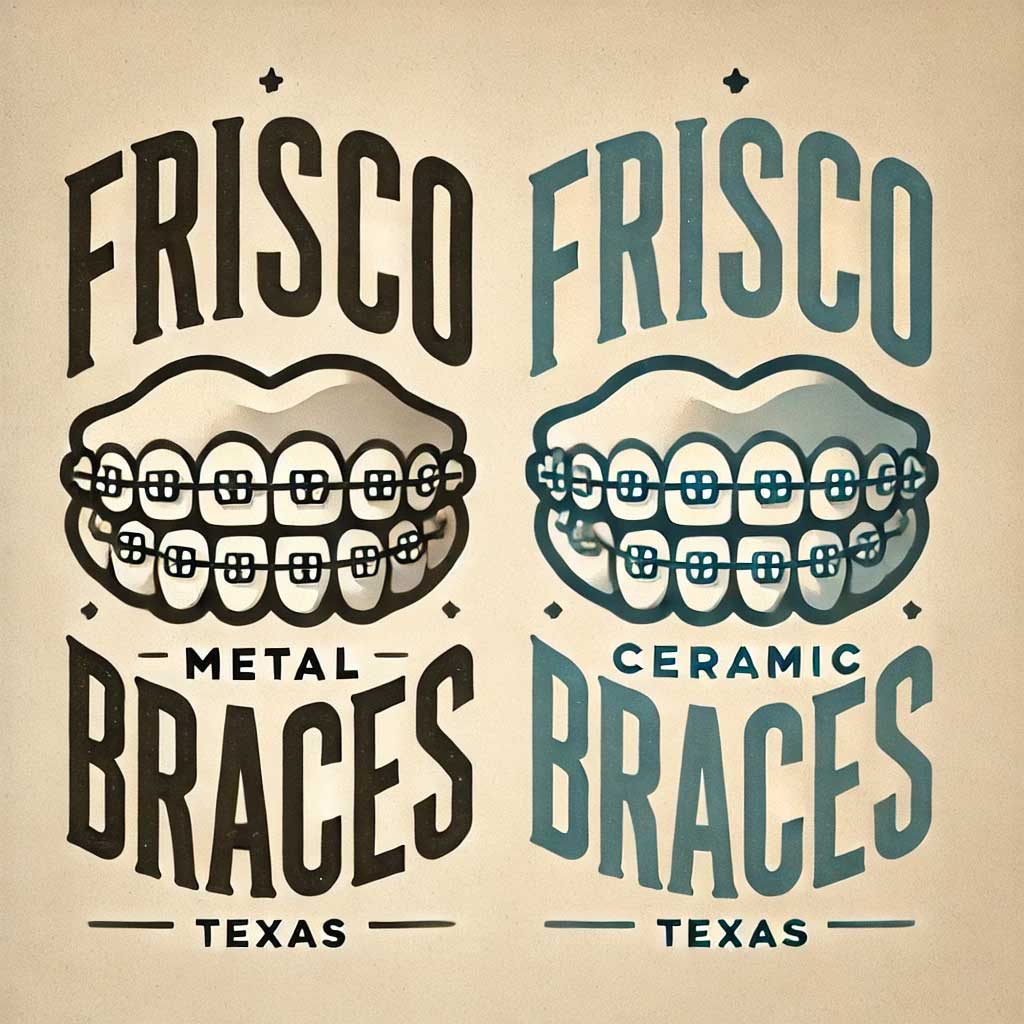
The mechanics are identical. Both metal braces and ceramic braces use brackets bonded to each tooth and an archwire that gently guides everything into place. The only real difference is what the brackets are made of. Metal brackets are stainless steel, small and shiny. Ceramic brackets are made of a tooth-colored or clear material that blends in against your enamel, so from a short distance they are hard to notice. That single material change is what drives every other difference in cost, durability, and appearance below.
The case for metal braces
Metal braces are the workhorse of orthodontics for good reason. They are the strongest option, nearly impossible to crack, and they handle the toughest, most complex tooth movements with a bit more control. They are also the most affordable. And for kids and younger teens, the colored elastic bands are a genuine highlight, letting them switch up their look at every visit. If discretion is not a top priority, metal is often the smart, sturdy choice.
The case for ceramic braces
Ceramic braces exist for one big reason: they are far less visible. For adults in professional settings and self-conscious teens who dread the idea of a mouth full of metal, tooth-colored brackets make fixed braces feel a lot more livable. You still get the reliability of braces that work around the clock, without the removable-appliance responsibility of aligners, but with a look that mostly disappears in photos and conversation. For many patients that tradeoff is well worth it.
The cost difference
Ceramic braces typically run a few hundred dollars more than metal. The bracket material costs more, and placing and removing them takes extra care. In the bigger picture the gap is small relative to the total, and it usually comes down to whether the improved appearance is worth it to you. We lay out exact numbers for both at your free consultation, and either option can be spread over interest-free monthly payments.
Do ceramic braces stain?
This is the most common worry, and the honest answer is nuanced. The ceramic brackets themselves resist staining and hold their color. The clear elastic ties that hold the wire, however, can pick up stain from coffee, tea, red wine, curry, and smoking. The good news is those ties are swapped out at every adjustment visit, so any discoloration is temporary, and normal brushing keeps them looking clean in between. If you are a heavy coffee drinker, we can also use ties that hide staining better.
Durability and treatment time
Metal wins on durability. Ceramic brackets are strong but more brittle, so they can chip or break if you bite into something hard, which means a bit more caution with crunchy foods. Treatment time, on the other hand, is generally similar between the two. What actually determines how long you are in braces is the complexity of your case and how well you follow instructions, not whether your brackets are metal or ceramic.
Which is best by age?
As a rough guide: for children and younger teens we usually lean metal, for the durability and the fun of colored bands. For older teens who care about appearance, and for adults, ceramic is the popular pick. Plenty of adults also weigh clear aligners at this stage, which are removable and even less visible, so if discretion is your main goal it is worth comparing all three at a consultation.
What we usually recommend
There is no one right answer, and I will not pretend there is. We match the choice to your case, your budget, and how much visibility matters to you. Sometimes we even mix the two, using ceramic on the upper teeth that show when you smile and metal on the lower teeth for strength and savings. The goal is a great result you feel good about wearing for the length of treatment.
Frequently asked questions
See both options for your smile
A free consultation ends with a clear recommendation and exact pricing for metal and ceramic.
You may also be interested in these
Why families trust Elate Orthodontics
With over 1,000 five-star reviews across three locations, Elate Orthodontics is led by Dr. Kevin Baharvand, DMD, MS, a Diplomate of the American Board of Orthodontics, whose clinical work was recently selected for the cover of the American Journal of Orthodontics and Dentofacial Orthopedics, the most prestigious peer-reviewed journal in the field, and a national speaker on clear aligner treatment. Alongside Dr. Julia Kang, DMD, MS, both Boston University graduates and members of the Omicron Kappa Upsilon national honor society, our husband-and-wife team has been recognized as D Magazine Best Dentist 2026, Living Magazine Readers’ Choice 2026 Best Orthodontist in Frisco & Plano, Readers’ Choice Best Orthodontist in The Colony, Best New Business by the Chamber of Commerce, Nextdoor Neighborhood Favorite, and featured in Orthotown and Authority Magazine.
We serve families through three convenient offices in West Frisco, North Frisco, and The Colony, each staffed by the same trusted team, equipped with advanced technology, and committed to the personalized approach that consistently helps patients finish treatment sooner than expected. From braces and clear braces to Angel Aligners, we offer treatment for every age and every stage of life. We stay in-network with most insurance plans and offer flexible financing to make exceptional orthodontic care accessible for every family we serve.
Need general and family dentistry too? Our sister practice, Tribute Family Dentistry, provides dental care for all ages.