

6 min read · By Dr. Kevin Baharvand, Diplomate, American Board of Orthodontics
Quick answer
Canker sores are small, painful ulcers inside the mouth. Braces can trigger them when a bracket or wire rubs the lip or cheek, especially in the first couple of weeks. They are not contagious and are not the same as cold sores. Most heal in one to two weeks. Orthodontic wax, warm salt-water rinses, and over-the-counter gels bring relief, and if a wire keeps poking, a quick visit fixes the cause.
On this page
What canker sores actually are
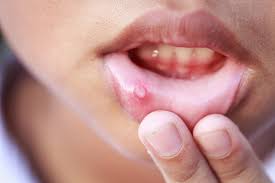
Canker sores, known clinically as aphthous ulcers, are small, shallow sores that show up inside the mouth: on the inside of the lips and cheeks, at the base of the gums, or on the tongue. They usually look like a round or oval spot with a white or yellowish center and a red border. Small as they are, they can sting out of all proportion to their size, especially when you eat, drink, or talk.
The good news up front: they are harmless and they heal on their own. They are also not contagious. Plenty of things can bring them on, from stress and certain foods to minor injuries inside the mouth, and that last one is where braces come in.
Why braces can trigger canker sores
Braces put new, slightly rough surfaces right next to soft tissue that is used to a smooth mouth. When a bracket edge or the end of a wire rubs against the inside of your lip or cheek, that friction can irritate the spot and set off a sore. It happens most in the first week or two with new braces, and again for a few days after an adjustment, when everything feels a little tighter and less familiar.
Here is the reassuring part. Your mouth adapts. The tissue toughens to the hardware over the first month or so, and most people find the sores taper off as treatment goes on. It is a phase, not a permanent feature of wearing braces. Worth noting, clear aligners like Angel Aligners have smooth surfaces and tend to cause fewer of these rubbing sores, though any orthodontic appliance can occasionally irritate a spot.
Canker sore vs cold sore: know the difference
People mix these up constantly, and the distinction actually matters. They are two different things with different causes.
| Canker sore | Cold sore | |
|---|---|---|
| Where | Inside the mouth | On or around the lips |
| Cause | Irritation, stress, foods; not viral | Herpes simplex virus |
| Contagious? | No | Yes |
| Braces link | Can be triggered by rubbing | Not caused by braces |
Short version: if it is inside your mouth and your braces have been bugging that spot, it is almost certainly a canker sore, and nothing to worry about.
How to prevent them with braces
Prevention mostly comes down to stopping the rubbing before it starts and keeping the tissue healthy:
- Use orthodontic wax early. The moment a bracket or wire feels rough, cover it with a small ball of wax. Do not wait for a sore to form.
- Keep your mouth clean. Good brushing and rinsing keep the tissue healthy and less prone to irritation.
- Watch your triggers. Acidic, spicy, and very crunchy foods can start or worsen sores. If you know yours, ease off.
- Stay hydrated. A dry mouth is more easily irritated, so drink water through the day.
How to find relief when one shows up
If a sore does appear, a few simple things speed comfort. Cover the bracket or wire that started it with wax so the spot can heal instead of getting rubbed again. Rinse with warm salt water several times a day, which is soothing and helps keep the area clean. An over-the-counter numbing or protective gel can take the edge off, especially before meals. And stick to softer, blander foods until it settles. The American Dental Association’s consumer health resource has solid guidance on managing mouth sores if you want to read further.
Do not skip brushing near a sore. It hurts a little, but keeping the area clean helps it heal faster. Be gentle, and rinse with salt water afterward.
When to call your orthodontist
Most canker sores need nothing more than wax and patience. But call us if a wire is poking and wax will not tame it, if a sore lasts longer than two weeks, if you keep getting large or recurring sores, or if several appear at once alongside a fever. A poking wire is a two-minute fix on our end, and there is no reason to suffer through it between appointments.
Canker sores are a normal, temporary part of adjusting to braces, not a sign anything is wrong. Wax early, rinse often, and let us know if a wire is the culprit.
A little discomfort at the start is a small price for the smile you are working toward, and it does not last. If yours is dragging on or a wire keeps causing trouble, reach out and we will sort it quickly.
A wire poking you between visits?
Do not tough it out. A quick adjustment stops the rubbing that causes sores. Call us or book a visit.
Frequently asked questions
Do braces cause canker sores?
They can, especially at first. A new bracket or wire rubbing against the inside of your lip or cheek can irritate the tissue and set off a canker sore. It is most common in the first couple of weeks and after adjustments. As your mouth toughens up to the hardware, they usually become less frequent.
Are canker sores and cold sores the same thing?
No, and this trips a lot of people up. Canker sores form inside the mouth, are not contagious, and are not caused by a virus. Cold sores appear on or around the lips, are caused by the herpes simplex virus, and are contagious. Braces can trigger canker sores; they do not cause cold sores.
How long do canker sores last?
Most heal on their own in about one to two weeks. If the source keeps irritating the same spot, like a poking wire, the sore can linger, which is why fixing the cause matters as much as treating the sore.
How can I get rid of a canker sore from braces fast?
Cover the offending bracket or wire with orthodontic wax to stop the rubbing, rinse with warm salt water a few times a day, and use an over-the-counter numbing or protective gel if you want relief. Avoid acidic, spicy, and crunchy foods until it heals.
How do I stop getting them in the first place?
Keep orthodontic wax handy and use it early, before a rough spot turns into a sore. Brush and rinse well so the tissue stays healthy, stay hydrated, and go easy on the foods that tend to trigger yours. If a wire is consistently poking, have us trim or adjust it.
When should I call my orthodontist?
Call if a wire is poking and you cannot tame it with wax, if a sore lasts longer than two weeks, if sores are large or keep coming back, or if you have several at once with a fever. Those are worth a look rather than waiting it out.
You may also be interested in these
Why families trust Elate Orthodontics
1,000+ five-star reviews · 3 offices (two in Frisco, one in The Colony) · D Magazine Best Dentist 2026 · Living Magazine Readers’ Choice 2026
With over 1,000 five-star reviews across three locations, Elate Orthodontics is led by Dr. Kevin Baharvand, DMD, MS, a Diplomate of the American Board of Orthodontics, whose clinical work was recently selected for the cover of the American Journal of Orthodontics and Dentofacial Orthopedics, the most prestigious peer-reviewed journal in the field, and a national speaker on clear aligner treatment. Alongside Dr. Julia Kang, DMD, MS, both Boston University graduates and members of the Omicron Kappa Upsilon national honor society, our husband-and-wife team has been recognized as D Magazine Best Dentist 2026, Living Magazine Readers’ Choice 2026 Best Orthodontist in Frisco & Plano, Readers’ Choice Best Orthodontist in The Colony, Best New Business by the Chamber of Commerce, Nextdoor Neighborhood Favorite, and featured in Orthotown and Authority Magazine.
We serve families through three convenient offices in West Frisco, North Frisco, and The Colony, each staffed by the same trusted team, equipped with advanced technology, and committed to the personalized approach that consistently helps patients finish treatment sooner than expected. From braces and clear braces to Angel Aligners, we offer treatment for every age and every stage of life. We stay in-network with most insurance plans and offer flexible financing to make exceptional orthodontic care accessible for every family we serve.
Need general and family dentistry too? Our sister practice, Tribute Family Dentistry, provides dental care for all ages.
West Frisco
North Frisco
The Colony
Book a free consultation: 972.538.4343
About the author
Dr. Kevin Baharvand, DMD, MS, is a Diplomate of the American Board of Orthodontics and a national speaker on clear aligner treatment. He practices alongside Dr. Julia Kang at Elate Orthodontics’ three North Texas offices in West Frisco, North Frisco, and The Colony. Meet Dr. B →