

6 min read · By Dr. Kevin Baharvand, Diplomate, American Board of Orthodontics
Quick answer
Breathing through the mouth once in a while during a cold is normal. Doing it every night is not. Chronic nighttime mouth breathing dries the mouth, disrupts sleep, raises cavity risk, and in children can even shape how the face and jaws grow. The causes range from allergies and enlarged tonsils to a narrow upper jaw. The fix depends on the cause, and often involves both a physician and an orthodontist.
How to spot nighttime mouth breathing
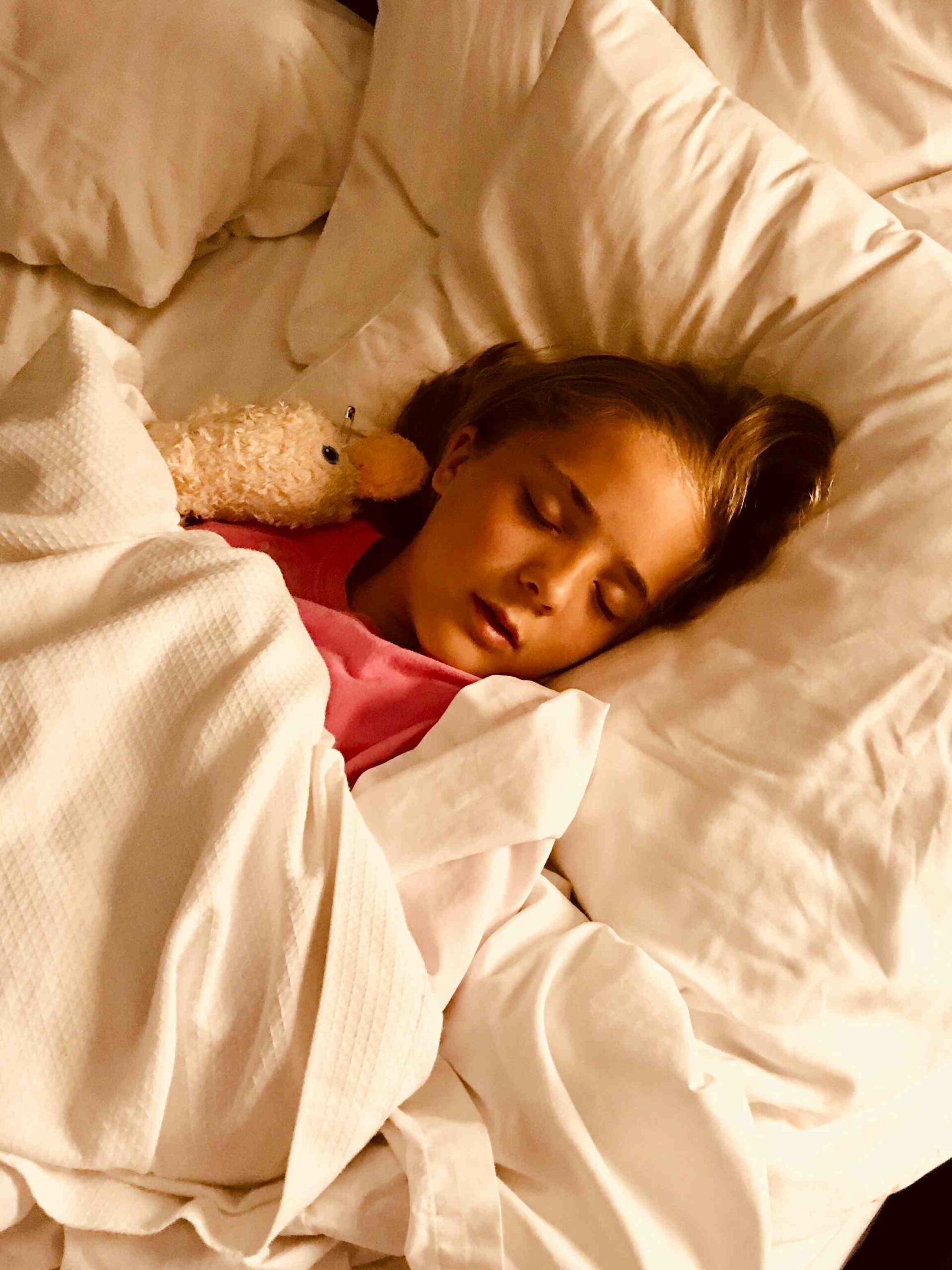
Most people never see themselves sleep, so the clues show up around the edges. You wake with a dry, sticky mouth or a sore throat. Your lips are chapped in the morning. A partner mentions snoring or an open mouth on the pillow. With kids the tells are similar: an open-mouth posture during sleep, drool on the pillow, restless nights, and grogginess or irritability the next day even after a full night in bed.
One or two of these after a bad cold is nothing. The pattern is what matters. When mouth breathing is the default night after night, the body is telling you that nasal breathing is not coming easily, and that is worth understanding.
What causes mouth breathing at bedtime
The nose is the body’s preferred air filter and humidifier. We drop to mouth breathing when the nasal route is blocked or too narrow. The usual reasons:
- Allergies and congestion. Swollen nasal passages from allergies, sinus issues, or a cold force air through the mouth.
- Enlarged tonsils or adenoids. Very common in children, these can physically crowd the airway at the back of the throat.
- A deviated septum or nasal structure. Sometimes the plumbing itself is narrow or off-center.
- A narrow upper jaw. Because the palate is the floor of the nose, a narrow palate often means a cramped nasal airway.
- Habit. Sometimes the original blockage clears but the mouth-breathing pattern sticks around.
Why it matters more than it seems
Mouth breathing feels harmless, but the downstream effects add up, especially over years.
| Area | What can happen |
|---|---|
| Teeth & gums | A dry mouth loses saliva’s protective rinse, raising cavity and gum-disease risk |
| Sleep quality | Fragmented, shallower sleep and daytime fatigue or brain fog |
| Facial growth (kids) | Linked to a longer face, narrow arch, and crowded teeth as the jaws develop |
| Behavior & focus (kids) | Poor sleep can show up as irritability or trouble concentrating during the day |
The childhood piece is the one parents underestimate. The tongue is supposed to rest against the roof of the mouth, quietly helping shape a broad arch. An open-mouth posture takes that guidance away during the exact years when growth is happening. The American Association of Orthodontists recommends a first orthodontic check by age 7, which is a good window to catch airway-related patterns early.
The orthodontic connection
Here is where orthodontics fits, and where it does not. We cannot clear a stuffy nose or shrink tonsils. But when the problem is structural, a cramped upper jaw squeezing the nasal floor, we can help directly. Widening the palate with an expander opens up that nasal space and often makes breathing through the nose noticeably easier. This is the heart of airway-focused orthodontics, and it is one of the most useful and underused tools we have.
Just as important is knowing our lane. If allergies, a deviated septum, or enlarged adenoids are driving the mouth breathing, the right first call is your physician or an ENT. The best results usually come from the two working together: clear the airway medically, support it structurally.
What you can do about it
Start by getting to the cause instead of chasing the symptom. Have allergies and nasal congestion evaluated and treated. In children, ask whether tonsils or adenoids are part of the picture. If a narrow upper jaw is contributing, an orthodontic exam with a look at the airway will tell you whether expansion makes sense. And where an old habit lingers after the blockage is gone, myofunctional therapy, simple exercises that retrain tongue and lip posture, can help close the loop.
Do not write off nightly mouth breathing as a quirk. In a growing child especially, it is one of the few airway signals you can actually see, and acting on it early is far easier than fixing the fallout later.
If any of this rings true for your household, an exam is the low-stakes next step. We will look at the nose, the palate, and how the jaws are developing, then tell you plainly whether this is ours to help with, a physician’s, or both.
Snoring or waking with a dry mouth?
An airway-focused exam can find out why you or your child breathes through the mouth at night. Your first visit is free.
Frequently asked questions
Is mouth breathing at night really a problem?
If it happens now and then during a cold, no. If it is the normal pattern, night after night, it is worth looking into. Chronic nighttime mouth breathing dries out the mouth, disrupts deep sleep, and in children can even influence how the face and jaws grow. It is usually a signal that something is blocking easy nasal breathing.
What causes someone to breathe through their mouth while sleeping?
Common culprits are nasal congestion from allergies, a deviated septum, enlarged tonsils or adenoids (especially in kids), and a narrow upper jaw that crowds the nasal airway. Sometimes it starts as a habit that outlasts the original blockage. Often it is a mix.
Can mouth breathing cause cavities?
Indirectly, yes. Saliva is your mouth’s natural rinse, and breathing through an open mouth all night dries it up. Less saliva means more plaque acid sitting on the teeth and gums, which raises the risk of cavities and gum inflammation over time.
How does mouth breathing affect a child’s face?
In growing kids, chronic mouth breathing is linked to a longer face pattern, a narrower arch, and crowded teeth, because the tongue no longer rests against the palate to help shape it. Catching it early, while the jaws are still developing, gives us the best chance to steer growth in a healthier direction.
Can orthodontics fix mouth breathing?
Orthodontics does not cure a stuffy nose, but it can address the structural side. Widening a narrow palate opens the nasal floor and often makes nasal breathing easier. We work alongside your physician or an ENT when allergies, a septum, or tonsils are the main issue.
When should I see someone about it?
If you or your child snores nightly, wakes with a dry mouth, sleeps restlessly, or is groggy during the day, get it evaluated. A simple airway-focused exam sorts out whether the cause is nasal, structural, or both, and what to do about it.
You may also be interested in these
Why families trust Elate Orthodontics
1,000+ five-star reviews · 3 offices (two in Frisco, one in The Colony) · D Magazine Best Dentist 2026 · Living Magazine Readers’ Choice 2026
With over 1,000 five-star reviews across three locations, Elate Orthodontics is led by Dr. Kevin Baharvand, DMD, MS, a Diplomate of the American Board of Orthodontics, whose clinical work was recently selected for the cover of the American Journal of Orthodontics and Dentofacial Orthopedics, the most prestigious peer-reviewed journal in the field, and a national speaker on clear aligner treatment. Alongside Dr. Julia Kang, DMD, MS, both Boston University graduates and members of the Omicron Kappa Upsilon national honor society, our husband-and-wife team has been recognized as D Magazine Best Dentist 2026, Living Magazine Readers’ Choice 2026 Best Orthodontist in Frisco & Plano, Readers’ Choice Best Orthodontist in The Colony, Best New Business by the Chamber of Commerce, Nextdoor Neighborhood Favorite, and featured in Orthotown and Authority Magazine.
We serve families through three convenient offices in West Frisco, North Frisco, and The Colony, each staffed by the same trusted team, equipped with advanced technology, and committed to the personalized approach that consistently helps patients finish treatment sooner than expected. From braces and clear braces to Angel Aligners, we offer treatment for every age and every stage of life. We stay in-network with most insurance plans and offer flexible financing to make exceptional orthodontic care accessible for every family we serve.
Need general and family dentistry too? Our sister practice, Tribute Family Dentistry, provides dental care for all ages.
West Frisco
North Frisco
The Colony
Book a free consultation: 972.538.4343
About the author
Dr. Kevin Baharvand, DMD, MS, is a Diplomate of the American Board of Orthodontics and a national speaker on clear aligner treatment. He practices alongside Dr. Julia Kang at Elate Orthodontics’ three North Texas offices in West Frisco, North Frisco, and The Colony. Meet Dr. B →