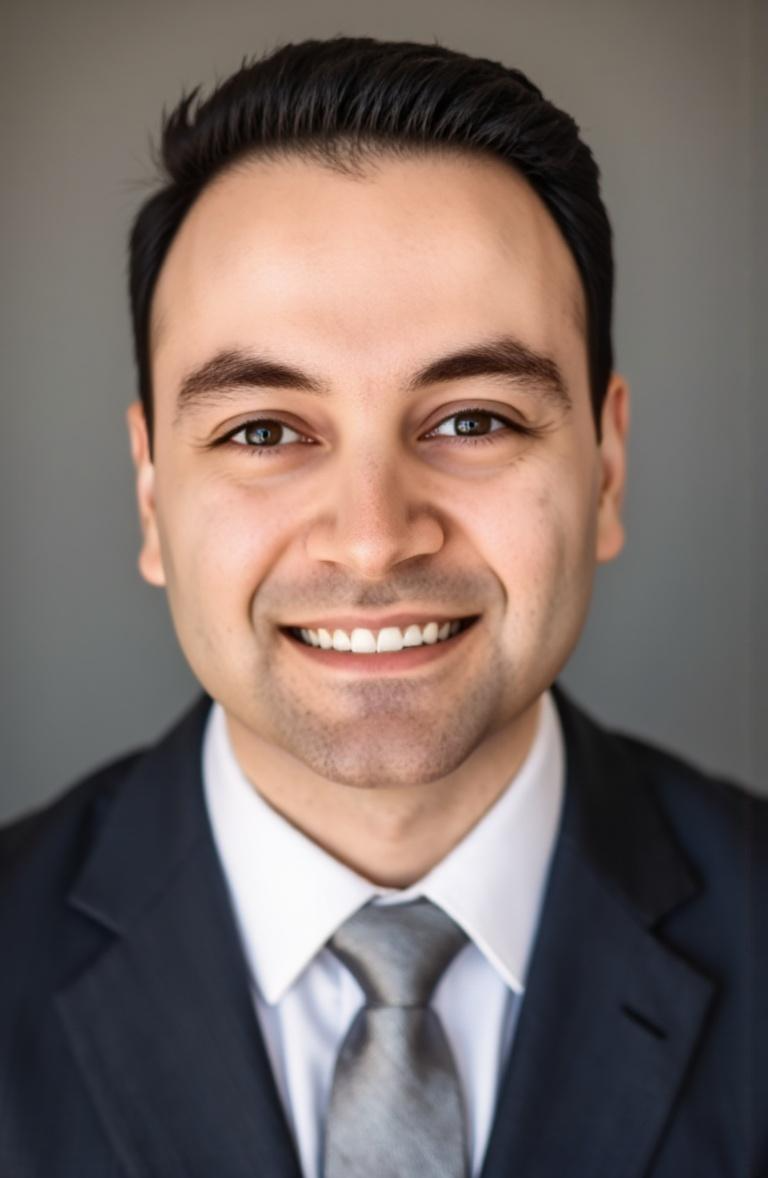



7 min read · By Dr. Kevin Baharvand, Diplomate, American Board of Orthodontics
Short answer: Orthodontics doesn’t sit outside the culture. Social media shapes what patients want, AI is changing how treatment gets planned, and policy shifts affect what’s legal and covered. Each one brings a real upside and a real catch. The throughline that keeps you safe through all of it is supervised, professional care.
On this page
Braces feel like they should be immune to the news cycle. They’re not. In the last few years I’ve watched social media, artificial intelligence, and shifting regulations all change how people arrive at my office and what they expect when they get there. None of it is hype, and none of it is doom. It’s just worth understanding, because these forces are already in the room whether we talk about them or not.
Social media and the TikTok effect
Social media is the single biggest change in how patients find me. People show up having already researched clear aligners, seen before-and-after reels, and decided they want a straighter smile. That awareness is a genuinely good thing. A generation ago, plenty of adults never considered treatment because they simply never saw it.
The flip side is that the same feed serves up dangerous nonsense with the same confident tone. Rubber-band gap closing, filing your own teeth, mail-order fixes, all of it looks tidy in fifteen seconds. The problem is that a video never shows the tooth that dies three weeks later. I wrote a whole piece on sorting the DIY dental hacks that are harmless from the ones that aren’t, because this is where social media does real harm.
AI in the orthodontist’s office
Artificial intelligence has quietly become part of modern orthodontics, and this is the part I’m genuinely enthusiastic about. Digital scanners replaced goopy impressions. Software now helps map how teeth will move, drafts the sequence of aligner steps, and lets us monitor progress remotely through a phone photo. It makes planning faster and treatment more predictable.
What AI does not do is decide. It proposes a plan; I review it against what I know about roots, bone, gums, and the actual person in the chair. A model can suggest moving a tooth a certain way. Whether that tooth should move that way, and how fast, is a clinical call. Used well, AI is a very good assistant. It is not the orthodontist.
Policy and regulation
Then there’s the less glamorous force: regulation. As at-home aligner companies grew, state dental boards and the profession pushed for rules requiring proper records and real oversight before teeth get moved. Data privacy for health apps has become a live issue too, as more of your dental information lives in the cloud. These shifts rarely make headlines, but they exist to protect patients from the exact failures the DIY trend invites.
The practical takeaway is simple. The rules keep drifting toward “a licensed professional should examine you before moving your teeth,” because that’s what keeps people safe. The American Association of Orthodontists, at aaoinfo.org, has been vocal on this for years.
The upside and the catch
| Force | What’s genuinely good | What to watch |
|---|---|---|
| Social media | Awareness, education, motivation to seek care | DIY trends, misinformation, unrealistic timelines |
| AI tools | Faster planning, digital scans, remote monitoring | Not a substitute for clinical judgment |
| Policy and rules | Safety standards on at-home aligners, data privacy | Rules vary by state; coverage gaps remain |
The pattern underneath all three: technology and culture keep lowering the barrier to starting treatment, which is great, while raising the risk of starting it badly. The fix isn’t to resist the tools. It’s to keep a trained human in the loop.
What it means for your smile
Put together, here’s the honest picture. You have more information, better technology, and more options than any orthodontic patient in history. You also have more noise, more marketing dressed up as advice, and more ways to get it wrong on your own. The winning move hasn’t changed: use the trends to get curious, use the tech that genuinely helps, and let a professional handle the judgment. If you’re weighing options like clear aligners, our guide on whether Invisalign is worth it is a grounded place to start.
Frequently asked questions
Is orthodontics really affected by TikTok and social media?
Yes, more than you might expect. Social media drives interest in straight teeth and educates people, which is good. It also spreads DIY trends and unrealistic expectations, which is not. The same platform can send someone to a great consultation or to a dangerous rubber-band hack.
Does AI design my braces or aligners now?
AI assists with parts of the process, like digital scans, mapping tooth movement, and drafting aligner steps. But an orthodontist reviews and directs every case. The software proposes; the clinician decides. Judgment about what your teeth and roots can safely do is still human.
Are mail-order clear aligners legal and safe?
They exist, but rules have tightened, and many places now expect proper records and in-person oversight. The risk with the at-home model is moving teeth without anyone examining your mouth. Supervised treatment catches problems that a mailed impression kit cannot.
Can I trust orthodontic advice I see online?
Some of it is genuinely helpful and some is nonsense, and they look nearly identical in a short video. Use online content to spark questions, then check those questions against a licensed professional before acting on anything that moves teeth or affects your health.
Will AI replace orthodontists?
No. AI is a powerful tool that makes planning faster and monitoring easier, but diagnosis, treatment decisions, and hands-on care remain with the orthodontist. Technology changes how we work, not whether the clinical judgment is needed.
How should I use these trends wisely?
Let social media and new tech raise your curiosity, then bring that curiosity to a real consultation. The trends are best treated as a starting point for questions, not as a treatment plan.
Cut through the noise with a real opinion
Social media and apps can only tell you so much. A free consultation gives you a professional read on your actual teeth, with the technology that helps and the human judgment that matters.
You may also be interested in these
- DIY Dental Hacks: What Works, What Doesn’t
- Mewing: Does This Jawline Trend Actually Work?
- Is Invisalign Worth It? A Comprehensive Guide
Why families trust Elate Orthodontics
With over 1,000 five-star reviews across three locations, Elate Orthodontics is led by Dr. Kevin Baharvand, DMD, MS, a Diplomate of the American Board of Orthodontics, whose clinical work was recently selected for the cover of the American Journal of Orthodontics and Dentofacial Orthopedics, the most prestigious peer-reviewed journal in the field, and a national speaker on clear aligner treatment. Alongside Dr. Julia Kang, DMD, MS, both Boston University graduates and members of the Omicron Kappa Upsilon national honor society, our husband-and-wife team has been recognized as D Magazine Best Dentist 2026, Living Magazine Readers’ Choice 2026 Best Orthodontist in Frisco & Plano, Readers’ Choice Best Orthodontist in The Colony, Best New Business by the Chamber of Commerce, Nextdoor Neighborhood Favorite, and featured in Orthotown and Authority Magazine.
We serve families through three convenient offices in West Frisco, North Frisco, and The Colony, each staffed by the same trusted team, equipped with advanced technology, and committed to the personalized approach that consistently helps patients finish treatment sooner than expected. From braces and clear braces to Angel Aligners, we offer treatment for every age and every stage of life. We stay in-network with most insurance plans and offer flexible financing to make exceptional orthodontic care accessible for every family we serve.
Need general and family dentistry too? Our sister practice, Tribute Family Dentistry, provides dental care for all ages.
Book a free consultation: 972.538.4343
About the author
Dr. Kevin Baharvand, DMD, MS, is a Diplomate of the American Board of Orthodontics and a national speaker on clear aligner treatment. He practices at Elate Orthodontics’ offices in West Frisco, North Frisco, and The Colony, Texas.