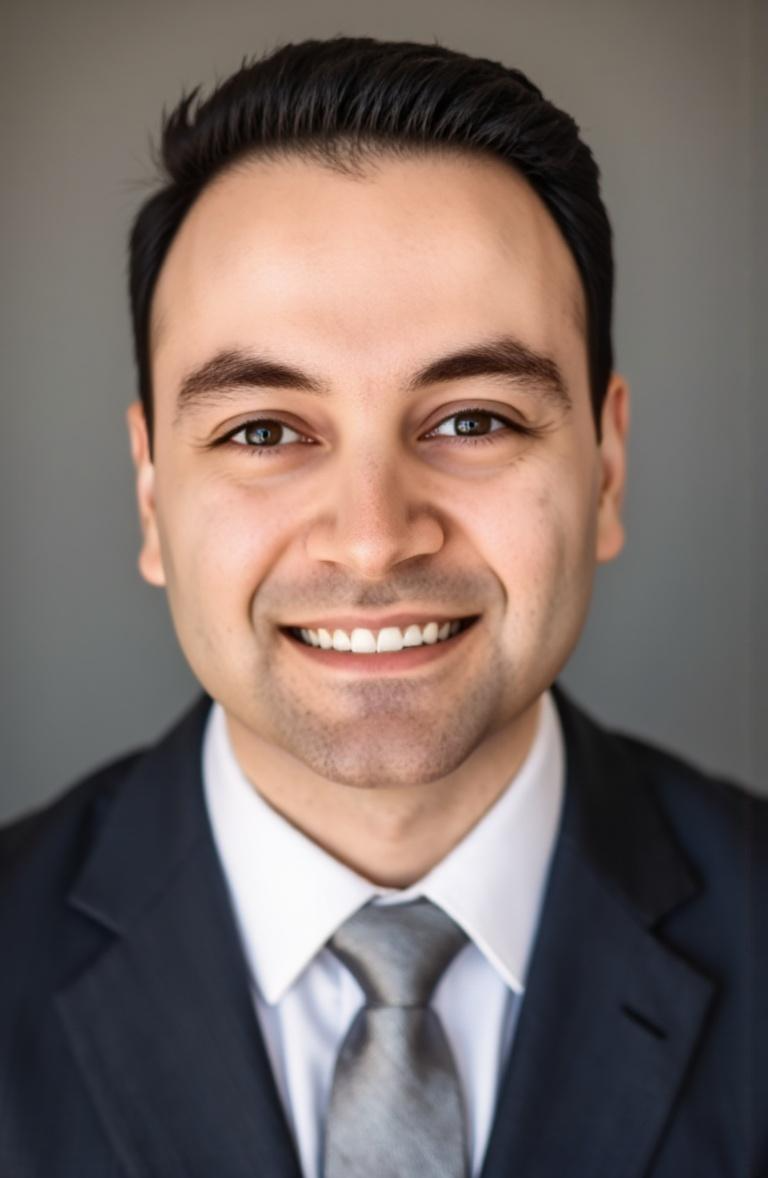


7 min read · By Dr. Kevin Baharvand, Diplomate, American Board of Orthodontics
Short answer: A tooth gem is a small crystal or jewel bonded to the front of a tooth with dental adhesive. Applied by a professional without drilling, it is generally low-risk and temporary, lasting weeks to a year. The real concerns are do-it-yourself kits and plaque building up around the gem. And if you are in braces or aligners, wait until treatment is done.
On this page
Tooth gems come back around every few years, and lately they’re everywhere on social media again. As an orthodontist, I don’t have a problem with a little sparkle. What I care about is whether the way you get one, and how you look after it, keeps your actual tooth healthy underneath. That’s a smaller ask than it sounds, but it’s the part people skip.
What a tooth gem actually is
A tooth gem is a tiny crystal, rhinestone, or piece of gold bonded to the visible surface of a tooth, usually an upper front one. Think of it as jewelry for your smile. Done properly, nothing is drilled and no hole is made. The gem sits on top of the enamel, held by the same kind of adhesive we use to bond other things to teeth.
That’s the key distinction from older, sketchier versions. A modern professional gem is surface-bonded and reversible. It is not embedded into the tooth.
How they’re applied
A proper application looks a lot like a quick bonding procedure. The tooth is cleaned, a mild etch and dental adhesive prepare the surface, the gem is placed, and a curing light sets it in about a minute. No numbing, no drilling, no pain. The whole thing takes a few minutes.
Where it goes wrong is the mail-order kit with a tube of craft-grade glue. That glue isn’t made for the mouth, it can irritate the gum, and getting it off later can take enamel with it. If you want a gem, have a dental professional place it. This is the single most important line in this whole article.
Are they safe for your teeth?
Two teeth can wear the same gem and have completely different outcomes, and the difference is hygiene. A gem creates a little ledge, and anywhere plaque can gather, it will. If you brush and floss well around it, the risk stays low. If you let plaque sit at the edge of the gem, you can end up with a white spot or a small cavity right where the decoration is.
So the honest risk picture is this: professionally applied, well cleaned, and removed by a pro, a tooth gem is a low-risk cosmetic add-on. Glued on at home, ignored, and pried off later, it can genuinely damage a tooth. You’re mostly in control of which version you get.
The part people underestimate: the gem itself is rarely the problem. The plaque that collects around it is. Treat the edge of a gem like the edge of a bracket and clean it every single day.
How long they last and what they cost
Tooth gems are temporary by design. Some fall off in a few weeks, others hang on for six months to a year or more. What shortens their life is stress on the bond: grinding your teeth, biting hard foods right on the gem, or a placement spot that takes a lot of contact. When one comes off, the tooth underneath is unharmed if it was surface-bonded.
Cost is usually modest for the gem itself, more for premium crystals or gold, and the professional placement is a separate, worthwhile expense. The money you spend having it applied and later removed by a pro is really money spent protecting your enamel.
Tooth gems, braces, and aligners
Here’s the orthodontic angle. If you’re in treatment, hold off on the gem. During braces, a gem competes for space with brackets and complicates cleaning an already tricky surface. With clear aligners, it’s worse in a subtle way: a bump on the tooth changes how the aligner seats, and aligners depend on fitting snugly to move teeth. Add the sparkle after your teeth are straight, when the smile it’s decorating is finished. If you’re weighing braces versus aligners in the first place, the fun stuff like choosing braces colors is a better outlet for self-expression mid-treatment.
Removal
When you’re done with a gem, a dental professional buffs it off and polishes the enamel smooth, which takes just a few minutes. Please don’t pop it off with a fingernail or a tool. That’s how a chip or a rough patch happens. Removal is the one step that’s genuinely worth a professional’s hands, even if the gem was placed elsewhere.
Frequently asked questions
Do tooth gems damage your teeth?
When a professional applies a gem with dental adhesive and no drilling, the risk to your enamel is low. Problems usually come from do-it-yourself kits with the wrong glue, or from plaque building up around the gem if you do not keep the area clean. Proper application and good hygiene are what keep it safe.
How long do tooth gems last?
It varies a lot. Some stay put for a few weeks, others last six months to a year or more. How long yours lasts depends on the adhesive, where it is placed, and habits like grinding or biting hard foods. They are meant to be temporary, not permanent.
How much do tooth gems cost?
Most tooth gems fall in a modest range depending on the gem and the provider, with fancier crystals or gold costing more. The bigger cost to consider is having it professionally applied and later removed, which protects your enamel.
Can you get a tooth gem while wearing braces or aligners?
It is best to wait. A gem can interfere with bracket placement, and it will change how a clear aligner fits against the tooth. Finish orthodontic treatment first, then add the gem to your finished smile if you still want one.
How are tooth gems removed?
A dental professional gently buffs the gem off and polishes the enamel smooth. Prying it off yourself risks chipping the tooth or leaving adhesive behind, so removal is one step worth leaving to a pro.
Are tooth gems safe for kids?
They are generally aimed at older teens and adults. Young children still have developing teeth and a higher cavity risk, and anything that traps plaque is a concern at that age. For kids, the priority is healthy brushing habits, not decoration.
Thinking about your smile beyond the sparkle?
A tooth gem is fun, but straight, healthy teeth are what actually make a smile stand out. If you’ve been considering braces or aligners, a free consultation is a no-pressure place to start.
You may also be interested in these
- Mewing: Does This Jawline Trend Actually Work?
- Choosing the Best Colors for Your Braces
- Water Flossing: Is It Effective for Oral Care?
Why families trust Elate Orthodontics
With over 1,000 five-star reviews across three locations, Elate Orthodontics is led by Dr. Kevin Baharvand, DMD, MS, a Diplomate of the American Board of Orthodontics, whose clinical work was recently selected for the cover of the American Journal of Orthodontics and Dentofacial Orthopedics, the most prestigious peer-reviewed journal in the field, and a national speaker on clear aligner treatment. Alongside Dr. Julia Kang, DMD, MS, both Boston University graduates and members of the Omicron Kappa Upsilon national honor society, our husband-and-wife team has been recognized as D Magazine Best Dentist 2026, Living Magazine Readers’ Choice 2026 Best Orthodontist in Frisco & Plano, Readers’ Choice Best Orthodontist in The Colony, Best New Business by the Chamber of Commerce, Nextdoor Neighborhood Favorite, and featured in Orthotown and Authority Magazine.
We serve families through three convenient offices in West Frisco, North Frisco, and The Colony, each staffed by the same trusted team, equipped with advanced technology, and committed to the personalized approach that consistently helps patients finish treatment sooner than expected. From braces and clear braces to Angel Aligners, we offer treatment for every age and every stage of life. We stay in-network with most insurance plans and offer flexible financing to make exceptional orthodontic care accessible for every family we serve.
Need general and family dentistry too? Our sister practice, Tribute Family Dentistry, provides dental care for all ages.
Book a free consultation: 972.538.4343
About the author
Dr. Kevin Baharvand, DMD, MS, is a Diplomate of the American Board of Orthodontics and a national speaker on clear aligner treatment. He practices at Elate Orthodontics’ offices in West Frisco, North Frisco, and The Colony, Texas.