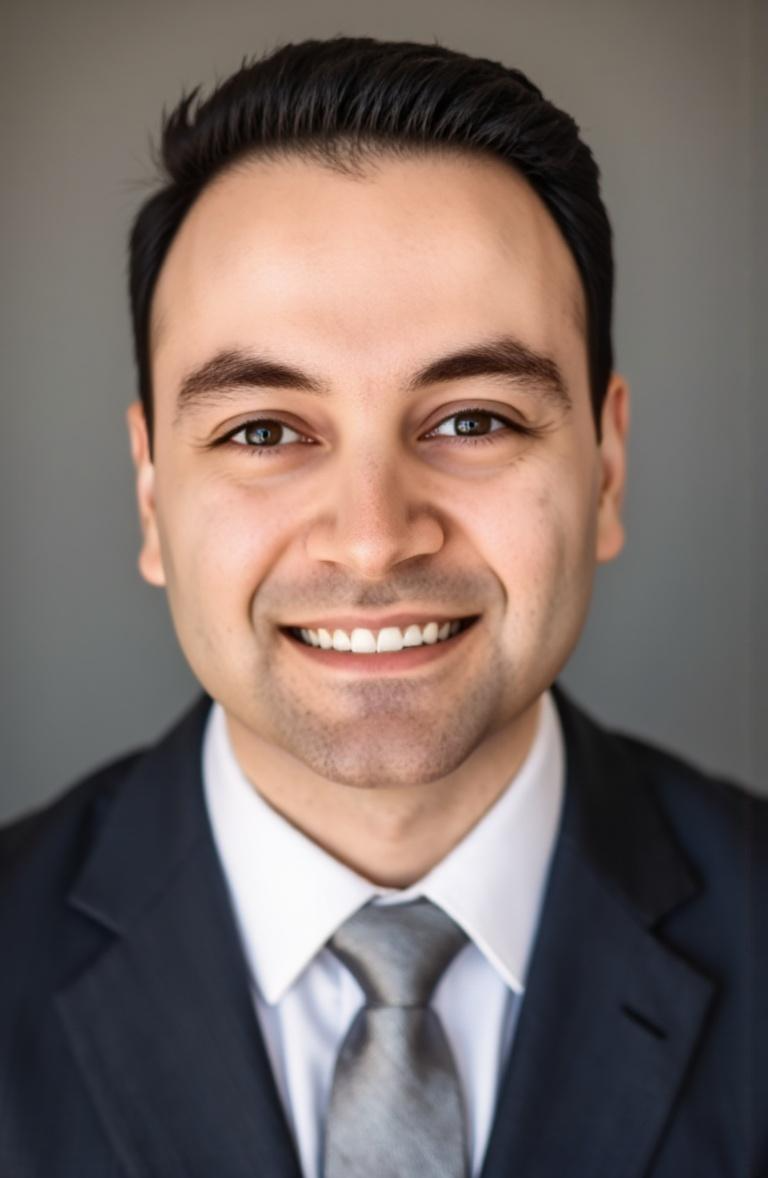


7 min read · By Dr. Kevin Baharvand, Diplomate, American Board of Orthodontics
Short answer: Mouth taping gets one thing right and one thing dangerously wrong. Nasal breathing really is better than mouth breathing. But taping your lips shut is a workaround that can be risky if you have congestion or undiagnosed sleep apnea, and it never fixes why you mouth-breathe. Treat the cause instead of taping over the symptom.
On this page
Mouth taping is one of those trends that lands in my chair as a question every few weeks now. Someone saw a video, tried a strip of tape across their lips overnight, and wants to know if it’s brilliant or bonkers. The honest answer is a bit of both, and the difference matters more than most of the videos admit.
What mouth taping is
Mouth taping means placing a piece of tape over your lips before sleep to keep your mouth closed, so you breathe through your nose all night. People try it to cut snoring, stop waking up with a bone-dry mouth, or chase the wellness claim that nasal breathing improves sleep. The tape itself is usually a gentle, skin-safe strip, not duct tape, despite what the alarming photos suggest.
What the trend gets right
Nasal breathing is legitimately better for you than mouth breathing. Your nose filters, warms, and humidifies air, and it adds nitric oxide that helps your body use oxygen. Breathing through your mouth all night, by contrast, dries out your gums and throat, raises cavity risk, and is linked to worse sleep quality. So the underlying goal, breathe through your nose, is a good one. The trend isn’t wrong to want it.
Where it gets risky
Here’s the problem. If you’re breathing through your mouth at night, your body usually has a reason, and taping over it removes your backup without fixing the cause. The biggest danger is undiagnosed obstructive sleep apnea. If your airway collapses during sleep and your mouth is taped shut, you’ve taken away the escape valve exactly when you need it. Sleep medicine experts have raised this concern directly.
The same goes for anyone congested, fighting a cold, dealing with a deviated septum, or prone to nausea. Force nasal-only breathing when the nose isn’t clear and you’re not improving your sleep, you’re fighting for air. And children should not be taped, period.
The safety test: if you can’t comfortably breathe through your nose for a few minutes with your mouth closed while awake, you have no business taping it shut while asleep. That simple check catches most of the people who shouldn’t try this.
Why you mouth-breathe in the first place
This is the part the trend skips, and it’s the part I actually care about. Mouth breathing is a symptom. The cause might be allergies or chronic congestion, a deviated septum, enlarged tonsils or adenoids, or, the one that’s squarely in my world, a narrow upper jaw that crowds the nasal airway. In growing kids, chronic mouth breathing can even shape the face, nudging it longer and narrower and raising the odds of crowding and bite problems. We get into this in depth in our guide to mouth breathing at bedtime.
Once you see mouth breathing as a signal rather than a habit, taping starts to look like putting tape over a warning light. It might quiet the symptom for a night. It doesn’t touch the wiring.
Safer alternatives
Start by clearing the nose: manage allergies, treat congestion, and if you consistently can’t breathe through one side, get your nasal passages checked. If snoring or gasping is part of the picture, ask about a sleep evaluation to rule out apnea before you experiment with anything.
From the orthodontic side, this is exactly what airway-focused orthodontics addresses. Widening a narrow palate, for instance, can open up nasal airflow and make nose breathing easier without any tape at all. If a structural issue is driving the mouth breathing, that’s the lever worth pulling.
My verdict
If you’re healthy, breathe well through your nose, and a doctor has ruled out sleep apnea, a gentle strip of mouth tape is a low-stakes thing to try for snoring or dry mouth. For everyone else, it ranges from pointless to genuinely unsafe. Either way, it’s not a fix. If you’re mouth breathing enough to reach for tape, that’s worth a real look at why, not a nightly patch job.
Frequently asked questions
Is mouth taping safe?
For a healthy person who can breathe well through their nose, taping the lips lightly at night is usually low-risk. It becomes dangerous if you have nasal congestion, a blocked nose, or undiagnosed sleep apnea, because it can restrict airflow when you most need it. The safe move is to rule those out first with a professional.
Does mouth taping actually work?
It can encourage nasal breathing and reduce dry mouth or light snoring for some people, and nasal breathing genuinely is healthier than mouth breathing. But taping is a workaround, not a cure. It does not address why you breathe through your mouth in the first place.
Who should not try mouth taping?
Anyone with sleep apnea, chronic nasal congestion, a deviated septum, frequent nausea, or a cold should not tape. Children should not do it at all. If you are unsure whether you breathe well through your nose, get evaluated before trying it.
Why do I breathe through my mouth at night?
Common reasons include nasal congestion or allergies, a deviated septum, enlarged tonsils or adenoids, a narrow upper jaw, or an airway issue. Because the causes differ, the fix differs. That is exactly why treating the cause beats taping over the symptom.
What are safer alternatives to mouth taping?
Treat nasal congestion, get allergies under control, and have a professional check your airway. In orthodontics, widening a narrow palate can improve nasal airflow, and a sleep evaluation can catch apnea. These address the reason you mouth-breathe instead of forcing your lips shut.
Can mouth breathing affect my teeth and jaw?
Yes, especially in growing children. Chronic mouth breathing is linked to a longer face shape, a narrower upper jaw, and a higher chance of crowding and bite problems. It is one reason we screen for breathing patterns as part of orthodontic care.
Mouth breathing at night? Get to the cause.
Taping your mouth shut treats a symptom. We look at why you’re breathing through your mouth in the first place, from a narrow palate to airway issues, and fix the actual problem. Start with a free airway-focused consultation.
You may also be interested in these
- Mouth Breathing at Bedtime: Causes, Effects, and Solutions
- Mewing: Does This Jawline Trend Actually Work?
- DIY Dental Hacks: What Works, What Doesn’t
Why families trust Elate Orthodontics
With over 1,000 five-star reviews across three locations, Elate Orthodontics is led by Dr. Kevin Baharvand, DMD, MS, a Diplomate of the American Board of Orthodontics, whose clinical work was recently selected for the cover of the American Journal of Orthodontics and Dentofacial Orthopedics, the most prestigious peer-reviewed journal in the field, and a national speaker on clear aligner treatment. Alongside Dr. Julia Kang, DMD, MS, both Boston University graduates and members of the Omicron Kappa Upsilon national honor society, our husband-and-wife team has been recognized as D Magazine Best Dentist 2026, Living Magazine Readers’ Choice 2026 Best Orthodontist in Frisco & Plano, Readers’ Choice Best Orthodontist in The Colony, Best New Business by the Chamber of Commerce, Nextdoor Neighborhood Favorite, and featured in Orthotown and Authority Magazine.
We serve families through three convenient offices in West Frisco, North Frisco, and The Colony, each staffed by the same trusted team, equipped with advanced technology, and committed to the personalized approach that consistently helps patients finish treatment sooner than expected. From braces and clear braces to Angel Aligners, we offer treatment for every age and every stage of life. We stay in-network with most insurance plans and offer flexible financing to make exceptional orthodontic care accessible for every family we serve.
Need general and family dentistry too? Our sister practice, Tribute Family Dentistry, provides dental care for all ages.
Book a free consultation: 972.538.4343
About the author
Dr. Kevin Baharvand, DMD, MS, is a Diplomate of the American Board of Orthodontics and a national speaker on clear aligner treatment. He practices at Elate Orthodontics’ offices in West Frisco, North Frisco, and The Colony, Texas.