

7 min read · By Dr. Kevin Baharvand, Diplomate, American Board of Orthodontics
Quick answer
Yes, adult palate expansion is possible, but it works differently than it does in a child. Because the seam in the roof of the mouth hardens with age, adults usually need either a bone-anchored expander (MARPE or MSE) or a minor surgical release (SARPE) to widen the upper jaw. Done right, it can relieve crowding, correct a crossbite, and often improve nasal breathing. Whether you can skip surgery depends mostly on your anatomy, which a 3D scan reveals.
On this page
Why the palate matters more than you think
The roof of your mouth is also the floor of your nose. That one fact explains why widening the upper jaw does so much more than make room for teeth. A narrow palate tends to travel with a narrow arch, crowded teeth, a crossbite, and often a smaller nasal airway that pushes someone toward mouth breathing. Expansion addresses the structure underneath all of it.
In children we do this routinely. A palate expander gently separates the two halves of the upper jaw along a growth seam, new bone fills the gap, and the arch is permanently wider. The question everyone asks is whether that same idea still works once you are grown. It can, with the right approach.
Why expansion is different for adults
The upper jaw is two bones joined at a seam called the midpalatal suture, running front to back along the roof of the mouth. In kids and teens that seam is soft and easy to open. As we age it gradually interlocks and fuses, and the timing varies a lot from person to person. Some adults in their twenties still have a suture that will separate. Others have one that is solidly knit.
That is the whole reason adult expansion needs a different toolkit. A traditional tooth-borne expander pushed on a fused suture will just tip the teeth outward instead of splitting the bone, which is not what we want. So we either borrow more anchorage from the bone itself, or we help the suture open surgically. Which path fits you comes down to how fused your suture is, and that is exactly what a 3D cone-beam scan measures before we commit to anything.
Your expansion options as an adult
There is no single answer. The right method depends on your age, your suture, and how much width you need.
| Approach | How it works | Best for |
|---|---|---|
| MARPE / MSE (bone-anchored) | Mini-implants drive the force into bone, not just teeth | Younger adults with a suture that will still open; avoids surgery |
| SARPE (surgically assisted) | Minor surgical cuts release the fused bone, then an expander widens it | Older adults or heavily fused sutures; larger corrections |
| Aligner / braces camouflage | Moves teeth to disguise mild narrowness without true skeletal change | Mild cases where the goal is cosmetic, not airway |
That last row matters. Moving teeth with Angel Aligners or braces can make a narrow arch look better, but it does not actually widen the jaw or open the airway. Most people call clear aligners "Invisalign," which is one brand in the category, and we prefer Angel Aligners in most cases. Just be clear on what tooth movement can and cannot do here: it camouflages, it does not expand bone.
What adult expansion can improve
Done for the right reasons, expansion pays off on several fronts at once. It creates real space, which can relieve crowding without pulling teeth. It corrects a posterior crossbite at its source. And because the palate is the nasal floor, many patients notice easier breathing through the nose afterward. That airway payoff is why we fold expansion into our airway-focused orthodontics and screen for it in adults who snore or breathe through their mouth.
A fair caveat: expansion can support better breathing, but it is not a standalone cure for obstructive sleep apnea. If sleep-disordered breathing is on the table, it should be evaluated alongside your physician, not treated by an expander alone.
What to expect during treatment
It starts with imaging. A cone-beam scan shows the state of your suture and the bone around it, which drives the whole plan. If you are a candidate for a bone-anchored expander, small implants are placed and the device is turned a tiny amount each day for a few weeks. You will feel pressure across the roof of the mouth, and a gap often appears between the front teeth. Both are expected. If SARPE is the better route, an oral surgeon handles the release first, then the expansion follows.
After the active widening, the new bone needs a few months to fill in and harden before the expander comes out. Braces or aligners usually follow to align everything and close that front gap. Start to finish, plan on somewhere between 12 and 24 months for most cases.
The scan decides almost everything. Before you worry about surgery versus no surgery, get the imaging. Your anatomy answers the question better than any average does.
Are you a candidate?
Good signs include a genuinely narrow upper arch, a posterior crossbite, dental crowding tied to arch width, or breathing complaints alongside a high, narrow palate. Age matters but does not decide it outright: a 22-year-old and a 45-year-old can have very different sutures. What settles it is the exam and the scan, not a birthday. If a bone-anchored expander will not open your suture, SARPE is a well-established backup, and plenty of adults are glad they did it.
If any of this sounds like you, the next step is simple and low-stakes. Come in, let us image the palate, and we will tell you honestly whether expansion makes sense or whether a simpler plan gets you where you want to go.
Curious whether adult expansion could work for you?
A cone-beam scan and airway exam show whether your palate can be widened without surgery. Your first visit is free.
Frequently asked questions
Can an adult palate really be expanded without surgery?
Sometimes, yes. The old teaching was that adult expansion always required surgery because the midpalatal suture fuses with age. Newer mini-implant expanders (often called MARPE or MSE) anchor into bone and can split that suture in many adults, especially younger ones, without an operation. It does not work for everyone, and a cone-beam scan is what tells us if you are a candidate.
What is SARPE?
SARPE stands for surgically assisted rapid palatal expansion. An oral surgeon makes small cuts to release the fused bone, then an expander does the widening over several weeks. It is the reliable option when the suture is too fused for a bone-anchored expander to open on its own, usually in older adults or wider gaps.
Does adult palate expansion help with breathing?
It can. Widening the upper jaw also widens the floor of the nasal cavity, and many patients report easier nasal breathing afterward. That airway benefit is a big reason we screen for it, though results vary and it is not a guaranteed fix for sleep apnea on its own.
Is palate expansion painful?
Expect pressure, not sharp pain. As the expander turns, you feel firmness across the roof of the mouth and sometimes between the front teeth, where a small gap often opens up. That gap is normal and closes later. Over-the-counter pain relief handles the first few days after activation.
How long does adult expansion take?
The active widening is usually a few weeks, but the bone needs several months to fill in and stabilize before anything is removed. Counting the alignment that typically follows, the full treatment often runs 12 to 24 months depending on the case.
Will there be a gap between my front teeth?
Often, briefly. A space opening between the two front teeth is a sign the expansion is working, not a problem. It closes on its own or with the braces or aligners that finish the case.
You may also be interested in these
Why families trust Elate Orthodontics
1,000+ five-star reviews · 3 offices (two in Frisco, one in The Colony) · D Magazine Best Dentist 2026 · Living Magazine Readers’ Choice 2026
With over 1,000 five-star reviews across three locations, Elate Orthodontics is led by Dr. Kevin Baharvand, DMD, MS, a Diplomate of the American Board of Orthodontics, whose clinical work was recently selected for the cover of the American Journal of Orthodontics and Dentofacial Orthopedics, the most prestigious peer-reviewed journal in the field, and a national speaker on clear aligner treatment. Alongside Dr. Julia Kang, DMD, MS, both Boston University graduates and members of the Omicron Kappa Upsilon national honor society, our husband-and-wife team has been recognized as D Magazine Best Dentist 2026, Living Magazine Readers’ Choice 2026 Best Orthodontist in Frisco & Plano, Readers’ Choice Best Orthodontist in The Colony, Best New Business by the Chamber of Commerce, Nextdoor Neighborhood Favorite, and featured in Orthotown and Authority Magazine.
We serve families through three convenient offices in West Frisco, North Frisco, and The Colony, each staffed by the same trusted team, equipped with advanced technology, and committed to the personalized approach that consistently helps patients finish treatment sooner than expected. From braces and clear braces to Angel Aligners, we offer treatment for every age and every stage of life. We stay in-network with most insurance plans and offer flexible financing to make exceptional orthodontic care accessible for every family we serve.
Need general and family dentistry too? Our sister practice, Tribute Family Dentistry, provides dental care for all ages.
West Frisco
North Frisco
The Colony
Book a free consultation: 972.538.4343
About the author
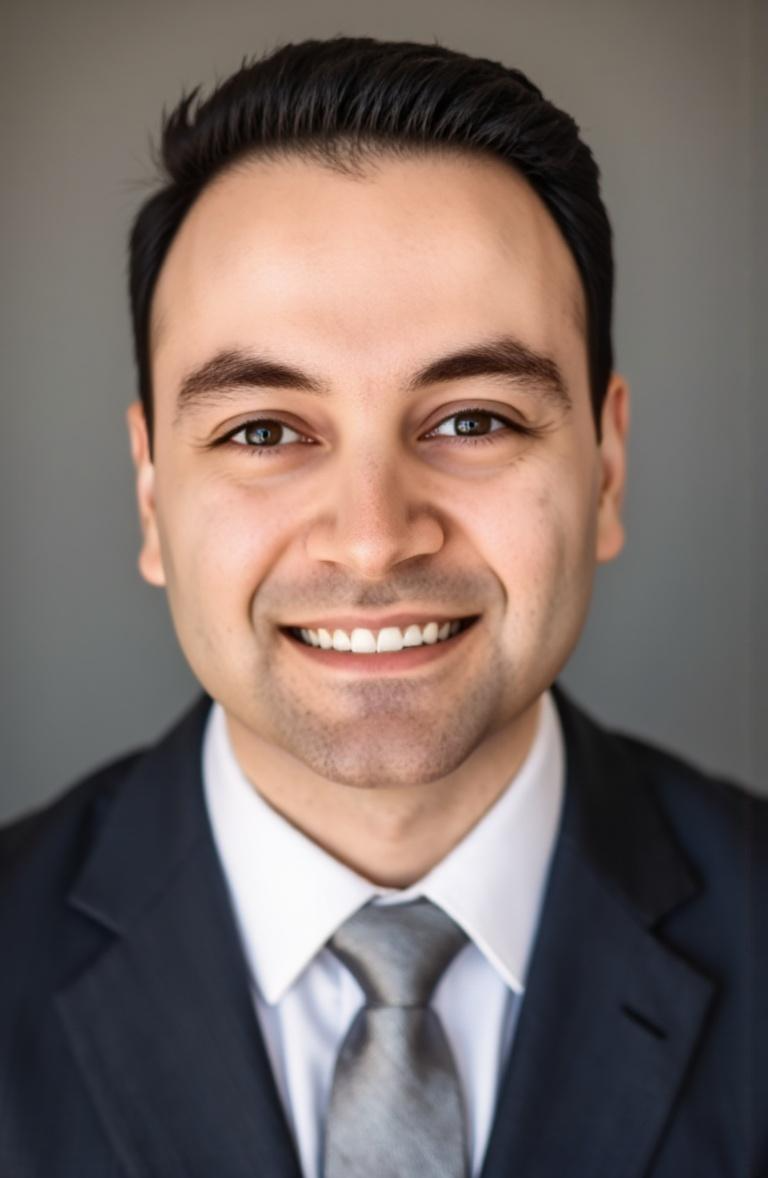
Dr. Kevin Baharvand, DMD, MS, is a Diplomate of the American Board of Orthodontics and a national speaker on clear aligner treatment. He practices alongside Dr. Julia Kang at Elate Orthodontics’ three North Texas offices in West Frisco, North Frisco, and The Colony. Meet Dr. B →