


Bite & Alignment Issues
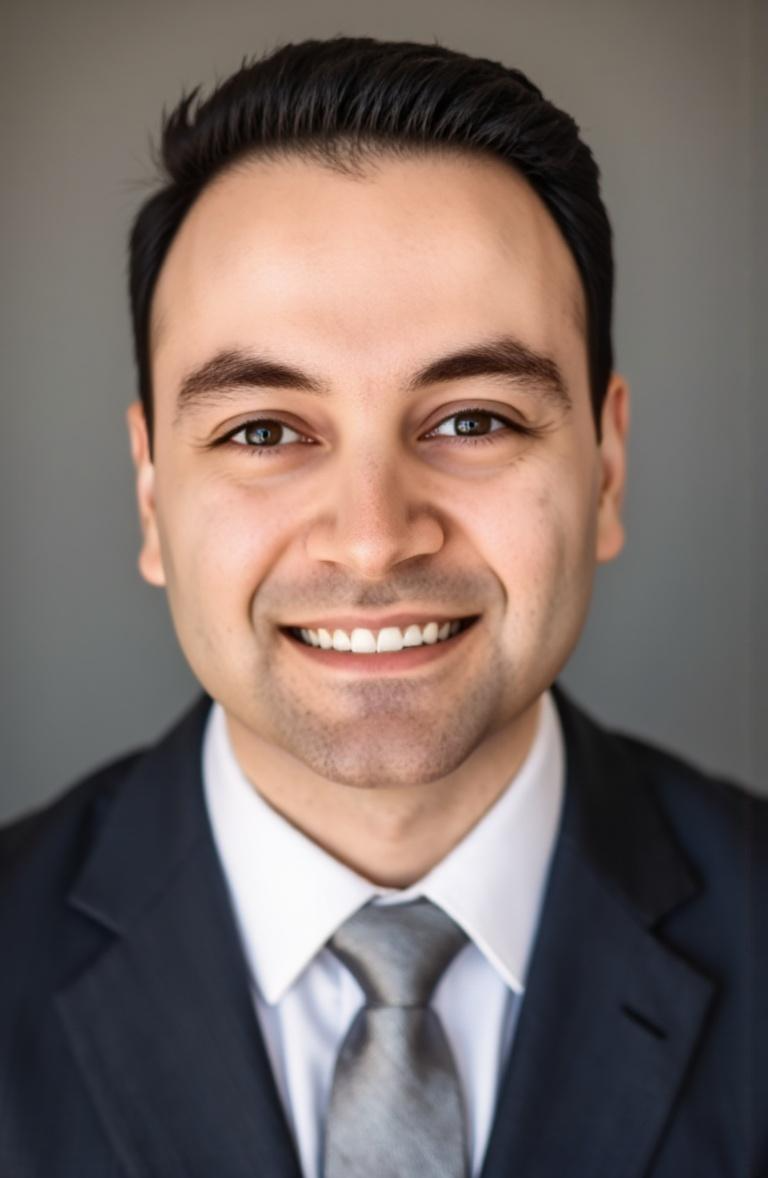
6 min read • By Dr. Kevin Baharvand, Diplomate, American Board of Orthodontics
If your jaw pops when you open wide, aches by the end of the day, or sometimes feels like it might catch, you may be dealing with TMD. It's common, often manageable, and frequently misunderstood. As an orthodontist, I see the bite side of this every week, so let me explain what TMD actually is, what causes it, and the range of treatments, from simple home steps to correcting the bite itself.
What is TMD, exactly?
Your temporomandibular joints are the two hinges that connect your lower jaw to your skull, just in front of each ear. They're among the most-used joints in the body, working every time you talk, chew, or yawn. TMD, temporomandibular disorder, is the umbrella term for problems with these joints and the muscles around them. You'll sometimes hear people say "TMJ," but that's the name of the joint itself; TMD is the disorder.
Common symptoms
- Jaw pain or tenderness, often worse in the morning or after chewing.
- Clicking, popping, or grinding when you open and close.
- Difficulty chewing or a jaw that occasionally locks or catches.
- Headaches, ear pain, or facial soreness that can be mistaken for other issues.
What causes TMD?
There's rarely a single culprit. The usual contributors are teeth grinding and clenching (often stress-driven and worst at night), a misaligned bite that strains the joint, jaw injury, arthritis in the joint, and general stress that keeps the jaw muscles tight. Because several factors can overlap, pinpointing yours is part of getting the right treatment.
The bite and airway connection
Here's where orthodontics enters the picture. When your upper and lower teeth don't meet properly, a condition called malocclusion, your jaw muscles and joints can work harder to compensate, and over time that strain may contribute to TMD. Correcting the bite with braces or clear aligners can relieve that strain in cases where the bite is a real driver. Not all TMD is bite-related, so an honest evaluation matters. We also look at the airway, since breathing and jaw posture often tie into clenching and jaw tension. You can read more about the joint on our TMJ and jaw pain page.
How TMD is treated
The rule is to start conservative and simple, since most people improve without anything invasive:
| Approach | What it does |
|---|---|
| Night guard or splint | Cushions the joint and protects teeth from grinding |
| Jaw rest & soft diet | Gives inflamed muscles and joint time to calm down |
| Warm compress & gentle exercises | Eases muscle tension and improves mobility |
| Stress management | Reduces the clenching that fuels many cases |
| Orthodontic bite correction | Addresses TMD driven by a misaligned bite |
Over-the-counter anti-inflammatories can help short term. If simple measures aren't enough, that's the point to get evaluated so the underlying cause, whether it's grinding, the bite, or something else, gets addressed rather than just the symptoms.
Jaw pain or clicking that won't quit?
We'll evaluate whether your bite is part of the problem. Start with a free consultation.
Frequently asked questions
You may also be interested in these
Why families trust Elate Orthodontics
With over 1,000 five-star reviews across three locations, Elate Orthodontics is led by Dr. Kevin Baharvand, DMD, MS, a Diplomate of the American Board of Orthodontics, whose clinical work was recently selected for the cover of the American Journal of Orthodontics and Dentofacial Orthopedics, the most prestigious peer-reviewed journal in the field, and a national speaker on clear aligner treatment. Alongside Dr. Julia Kang, DMD, MS, both Boston University graduates and members of the Omicron Kappa Upsilon national honor society, our husband-and-wife team has been recognized as D Magazine Best Dentist 2026, Living Magazine Readers' Choice 2026 Best Orthodontist in Frisco & Plano, Readers' Choice Best Orthodontist in The Colony, Best New Business by the Chamber of Commerce, Nextdoor Neighborhood Favorite, and featured in Orthotown and Authority Magazine.
We serve families through three convenient offices in West Frisco, North Frisco, and The Colony, each staffed by the same trusted team, equipped with advanced technology, and committed to the personalized approach that consistently helps patients finish treatment sooner than expected. From braces and clear braces to Angel Aligners, we offer treatment for every age and every stage of life. We stay in-network with most insurance plans and offer flexible financing to make exceptional orthodontic care accessible for every family we serve.
Need general and family dentistry too? Our sister practice, Tribute Family Dentistry, provides dental care for all ages.