

6 min read · By Dr. Kevin Baharvand, Diplomate, American Board of Orthodontics
Short answer: No, not everyone has wisdom teeth. Most people grow up to four, but a meaningful share of people have fewer, and some have none at all. It’s genetic. Whether you have them, and whether they cause trouble, comes down to how much room your jaw has and how the teeth are positioned.
On this page
Patients ask me this one a lot, usually right after someone in their family had all four taken out and they’re bracing for the same. The honest answer is that wisdom teeth are far less universal, and far less predictable, than most people assume. Some folks never grow them. Others grow four and never notice. So let’s clear up what’s actually going on back there.
What wisdom teeth actually are
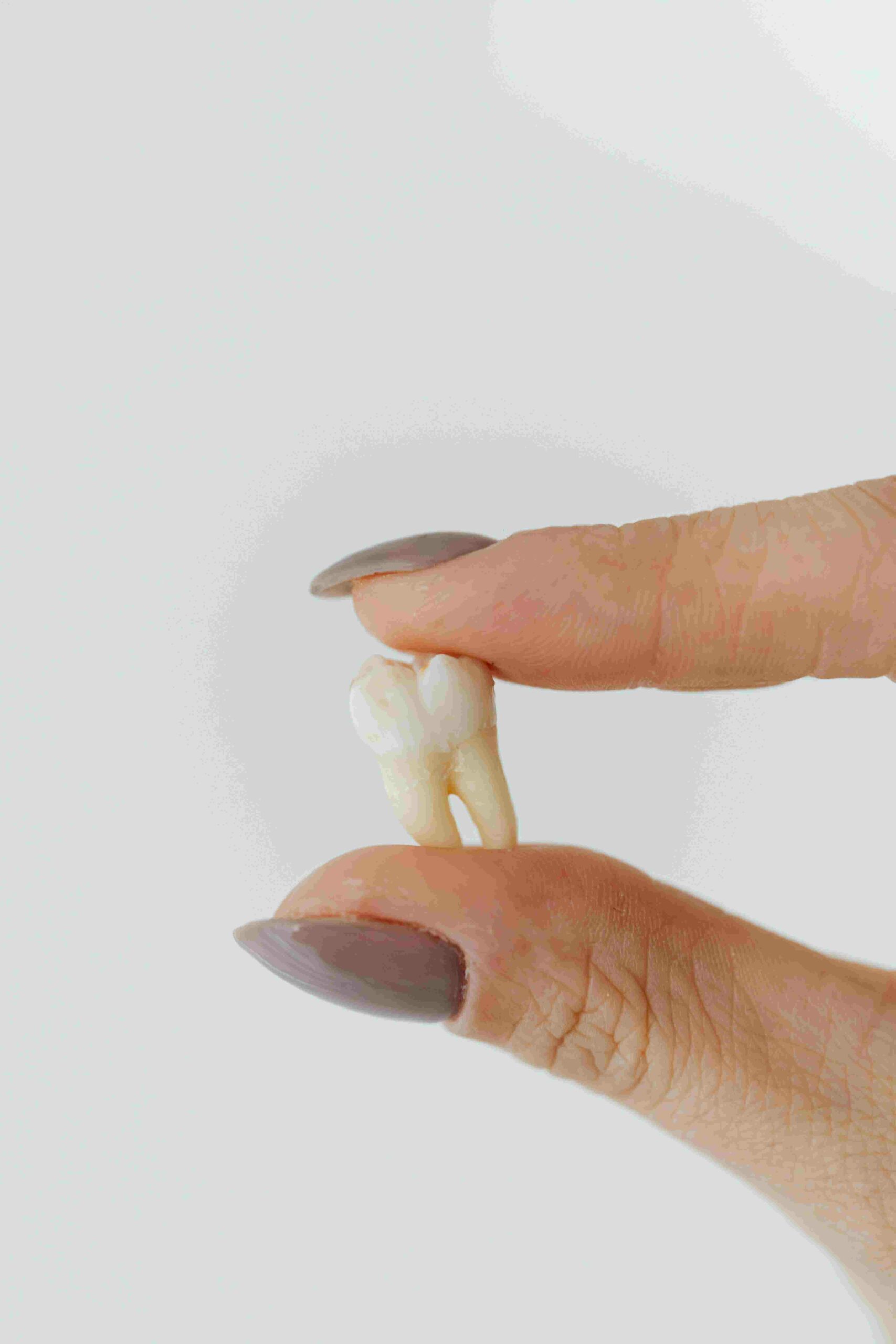
Wisdom teeth are your third molars, the last teeth at the very back of the mouth. They’re the final set to develop, usually trying to come in between ages 17 and 25. That timing is where the name comes from. You’re a little older, supposedly a little wiser, by the time they show up.
The full adult set is 32 teeth, and four of those are wisdom teeth. So if you’re missing some or all of them, you’re not missing anything you need. They’re leftovers from a time when human diets were coarser and jaws were bigger.
Why not everyone has them
Here’s the part that surprises people. A notable share of the population is simply born without one or more wisdom teeth. The tooth never forms in the first place. The clinical term is agenesis, and it’s a normal genetic variation, not a defect. You can have four, three, two, one, or none, and any of those is fine.
Researchers think this is evolution in slow motion. As human jaws got smaller over thousands of years, the genes that build a full set of third molars became less consistent. Some people inherit the full complement, some don’t. If your parents were missing theirs, there’s a decent chance you are too.
How to know if you have them
You can’t tell by looking. Wisdom teeth can be fully formed under the gum and bone without ever breaking through, so a mirror won’t answer the question. The only reliable way is a panoramic X-ray, the wide image that captures your whole jaw in one shot. Most people get this taken in their late teens, which is exactly when an orthodontist is watching how the rest of the bite is settling.
That X-ray shows three things at once: whether the teeth exist, how they’re angled, and how much room they have to come in. Those three details drive every decision that follows.
Why they cause trouble
The core problem is real estate. Modern jaws are smaller than our ancestors’ were, but the third molars still try to grow in. When there isn’t enough room at the back, a few things can happen:
| What happens | Why it matters |
|---|---|
| Impaction | The tooth is stuck in bone or gum and can’t erupt, sometimes lying sideways against the tooth in front. |
| Partial eruption | A flap of gum over a half-emerged tooth traps food and bacteria, leading to infection called pericoronitis. |
| Hard to clean | Even a fully erupted wisdom tooth sits so far back it’s tough to brush, so decay and gum disease are more common. |
| Cysts or damage | An impacted tooth can occasionally form a cyst or press on the roots of the neighboring molar. |
None of this is guaranteed. Plenty of wisdom teeth come in cleanly and cause zero problems. But this list is why they get so much attention.
Do they crowd your other teeth?
This is the myth I get asked about most. The old story is that wisdom teeth push everything forward and undo years of orthodontic work. It sounds logical. But the evidence doesn’t really back it up. Front teeth tend to drift a little with age whether or not you have wisdom teeth, and studies looking specifically at this haven’t found them to be the main culprit.
What actually protects your results after braces is wearing a retainer. If you want your teeth to stay put, that’s the lever that matters, far more than whether your wisdom teeth are present. We still keep an eye on third molars, but not because we’re worried they’ll wreck your smile overnight.
If you’re worried about your teeth shifting after braces, blame the retainer you stopped wearing, not the wisdom teeth. One of those is in your control.
When they need to come out
Removal isn’t automatic. If a wisdom tooth erupts fully, lines up with the bite, and you can actually keep it clean, it can often stay put. The case for taking them out gets stronger when a tooth is impacted, only partly erupted, angled into its neighbor, or already causing pain or infection. Younger patients also tend to recover faster, so if removal is clearly coming, earlier is usually easier.
When removal is the right call, it’s a routine procedure. You can read more on our wisdom teeth removal page. And because impacted teeth aren’t limited to wisdom teeth, our approach to impacted teeth covers the broader picture too.
Frequently asked questions
Does everyone have wisdom teeth?
No. Most people develop up to four, but plenty of people have fewer, and some are born without any at all. It comes down to genetics. A number of people are simply missing one or more wisdom teeth, a normal variation called agenesis.
How do I know if I have wisdom teeth?
A panoramic X-ray is the only reliable way to tell. Wisdom teeth can be fully formed under the gums without ever erupting, so you cannot know just by looking in the mirror. Most people get this checked in their late teens.
Do wisdom teeth cause crowding or crooked teeth?
Probably less than people think. For years wisdom teeth were blamed for shifting front teeth, but the research does not strongly support that. Teeth tend to drift with age regardless, which is why retainers matter more than blaming the wisdom teeth.
Does everyone need their wisdom teeth removed?
No. If they come in fully, function normally, and you can keep them clean, they can often stay. Removal is recommended when they are impacted, only partially erupt, crowd the area, or cause pain, infection, or cysts.
When do wisdom teeth come in?
Usually between ages 17 and 25, which is where the old nickname involving age and wisdom comes from. Some erupt later, and some never break through the gum at all.
Why do so many people have problems with wisdom teeth?
Modern human jaws are smaller than our ancestors’, but we still tend to grow the same third molars. When there is not enough room at the back of the mouth, the teeth get stuck, come in at an angle, or only partially erupt, which invites problems.
Curious what your wisdom teeth are doing?
A single panoramic X-ray tells us whether you have wisdom teeth, how they’re positioned, and whether they’re worth watching or worth removing. We’re happy to take a look at your consultation.
You may also be interested in these
- Everything You Need to Know About Orthognathic (Jaw) Surgery
- Mesiodens: Causes, Diagnosis, and Treatment of an Extra Front Tooth
- Tongue Tie and Orthodontic Issues: How It Affects Your Bite
Why families trust Elate Orthodontics
With over 1,000 five-star reviews across three locations, Elate Orthodontics is led by Dr. Kevin Baharvand, DMD, MS, a Diplomate of the American Board of Orthodontics, whose clinical work was recently selected for the cover of the American Journal of Orthodontics and Dentofacial Orthopedics, the most prestigious peer-reviewed journal in the field, and a national speaker on clear aligner treatment. Alongside Dr. Julia Kang, DMD, MS, both Boston University graduates and members of the Omicron Kappa Upsilon national honor society, our husband-and-wife team has been recognized as D Magazine Best Dentist 2026, Living Magazine Readers’ Choice 2026 Best Orthodontist in Frisco & Plano, Readers’ Choice Best Orthodontist in The Colony, Best New Business by the Chamber of Commerce, Nextdoor Neighborhood Favorite, and featured in Orthotown and Authority Magazine.
We serve families through three convenient offices in West Frisco, North Frisco, and The Colony, each staffed by the same trusted team, equipped with advanced technology, and committed to the personalized approach that consistently helps patients finish treatment sooner than expected. From braces and clear braces to Angel Aligners, we offer treatment for every age and every stage of life. We stay in-network with most insurance plans and offer flexible financing to make exceptional orthodontic care accessible for every family we serve.
Need general and family dentistry too? Our sister practice, Tribute Family Dentistry, provides dental care for all ages.
Book a free consultation: 972.538.4343
About the author
Dr. Kevin Baharvand, DMD, MS, is a Diplomate of the American Board of Orthodontics and a national speaker on clear aligner treatment. He practices at Elate Orthodontics’ offices in West Frisco, North Frisco, and The Colony, Texas.