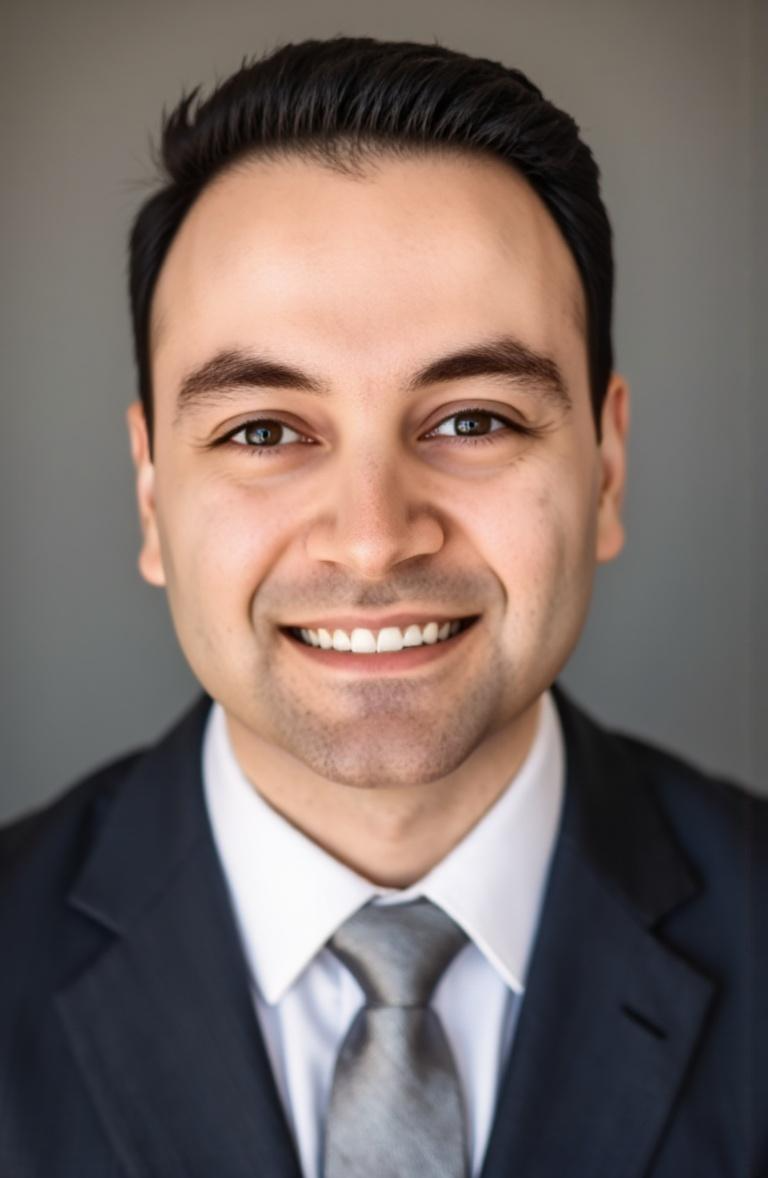


7 min read · By Dr. Kevin Baharvand, Diplomate, American Board of Orthodontics · Practice & Industry News
Short answer: Becoming an orthodontist in Texas takes about 10 to 11 years: a bachelor’s degree, four years of dental school, and a two to three year orthodontic residency, followed by Texas licensure. It is a long road, but it leads to a specialized, in-demand career. Here is how the path, the licensing, and the pay actually work.
On this page
What an orthodontist does
An orthodontist is a dental specialist trained to diagnose and correct misaligned teeth and jaws. Day to day, that means evaluating bite and alignment problems, then designing and managing treatment with tools like braces, clear aligners, and retainers.
A quick note on terminology, since it comes up constantly: people say Invisalign to mean clear aligners, but Invisalign is one brand. Orthodontists work with several, including Invisalign and Angel Aligners. Beyond fitting appliances, the job includes monitoring progress over months of treatment and coaching patients on how to care for their teeth along the way. If you want the patient-side view of how a specialist differs from a general dentist, our post on orthodontist versus dentist covers it.
How to become an orthodontist in Texas
The path is a real commitment. Here is the step-by-step:
- Earn a bachelor’s degree. Focus on pre-dental coursework such as biology, chemistry, and physics.
- Take the Dental Admission Test (DAT). This exam gauges your readiness for dental school.
- Complete dental school. Four years for a DDS or DMD at a program accredited by the American Dental Association. Texas has several strong options, including the Texas A&M School of Dentistry in Dallas and the University of Texas School of Dentistry at Houston.
- Finish an orthodontic residency. Two to three additional years focused entirely on tooth movement, jaw growth, and bite mechanics. This is what turns a dentist into an orthodontist.
| Stage | Typical length |
|---|---|
| Bachelor’s degree (pre-dental) | ~4 years |
| Dental school (DDS or DMD) | 4 years |
| Orthodontic residency | 2 to 3 years |
| Total | ~10 to 11 years |
Licensing and board certification
To practice in Texas, you need a state dental license, which requires graduating from an accredited program and passing the required national and state examinations. Orthodontic training on top of that lets you present yourself as a specialist.
Board certification is a separate, voluntary step. Becoming a Diplomate of the American Board of Orthodontics means submitting real cases for peer review and passing rigorous exams beyond the minimum needed to practice. Not every orthodontist pursues it, which is exactly why patients treat it as a mark of extra rigor. You can read more through the American Dental Association and the American Association of Orthodontists.
What orthodontists earn in Texas
Pay varies a lot, and honest ranges are more useful than a single headline number. The big factors are location, patient volume, practice efficiency, and whether you own the practice.
- Metro versus rural. Larger markets like Dallas, Austin, and Houston tend to offer higher earning potential, though smaller communities often have strong demand and less competition.
- Hourly range. Estimates commonly land somewhere around $100 to $200 per hour, influenced by the factors above.
- Entry level. Newer orthodontists in rural or underserved areas may start closer to $100,000 to $150,000 a year, with income rising meaningfully as the patient base grows.
Treat these as rough guideposts, not guarantees. Compensation figures shift over time, so anyone seriously weighing the career should check current data from a source like the U.S. Bureau of Labor Statistics.
The day-to-day and work settings
One appealing part of the field is flexibility in how you practice. Many orthodontists in Texas own and run private practices, solo or in a group. Others work in hospitals, corporate group practices, or academic and teaching roles.
At Elate, we chose the private, patient-centered route across three locations, which shapes everything from how we schedule to how we plan treatment. The setting you pick influences your hours, your autonomy, and how you spend your day, so it is worth thinking about early. And yes, to answer a common question, the daily uniform is usually scrubs and a lab coat, not a suit.
If you are a student weighing this path: shadow a practicing orthodontist before you commit. A day in a real office tells you more about whether the work fits you than any salary chart will.
Orthodontics rewards patience twice over: years of training up front, and years of guiding each smile to the finish. For the right person, it is deeply worth it.
Exploring the field, or looking for care in North Texas?
Either way, we are happy to help. Patients can book a free consultation at any of our three offices.
Frequently asked questions
How long does it take to become an orthodontist?
Plan on roughly 10 to 11 years after high school: about four years for a bachelor’s degree, four years of dental school for a DDS or DMD, and then two to three years in an accredited orthodontic residency. Orthodontics is one of the longer training paths in dentistry because the specialty work comes on top of a full dental education.
Do you have to become a dentist first?
Yes. Every orthodontist is a dentist first. You finish dental school and earn your DDS or DMD, then compete for a spot in an orthodontic residency where you focus solely on tooth movement, bite correction, and facial growth.
How much do orthodontists make in Texas?
It varies widely by location, patient volume, and whether you own a practice. Metro areas like Dallas, Austin, and Houston tend to pay more, while rural and underserved areas can start lower and climb with experience. These figures move over time, so treat any range as a rough guide rather than a promise, and check current labor statistics for the latest.
Are orthodontists self-employed?
Many are. A large share of orthodontists in Texas own and run private practices, either solo or in group settings. Others work in hospitals, corporate group practices, or academic programs. There is no single path, which is part of what makes the field flexible.
Do you need board certification to practice?
No. To practice you need a Texas dental license and the required orthodontic training. Board certification, becoming a Diplomate of the American Board of Orthodontics, is voluntary and goes beyond the minimum. It signals an extra level of peer-reviewed rigor, which is why patients look for it.
Which Texas schools train dentists and orthodontists?
Texas has several well-regarded ADA-accredited dental schools, including the Texas A&M School of Dentistry in Dallas and the University of Texas School of Dentistry at Houston. Orthodontic residencies are offered through select dental schools and programs after you complete dental school.
You may also be interested in these
Why families trust Elate Orthodontics
1,000+ five-star reviews · 3 offices (two in Frisco, one in The Colony) · D Magazine Best Dentist 2026 · Living Magazine Readers’ Choice 2026
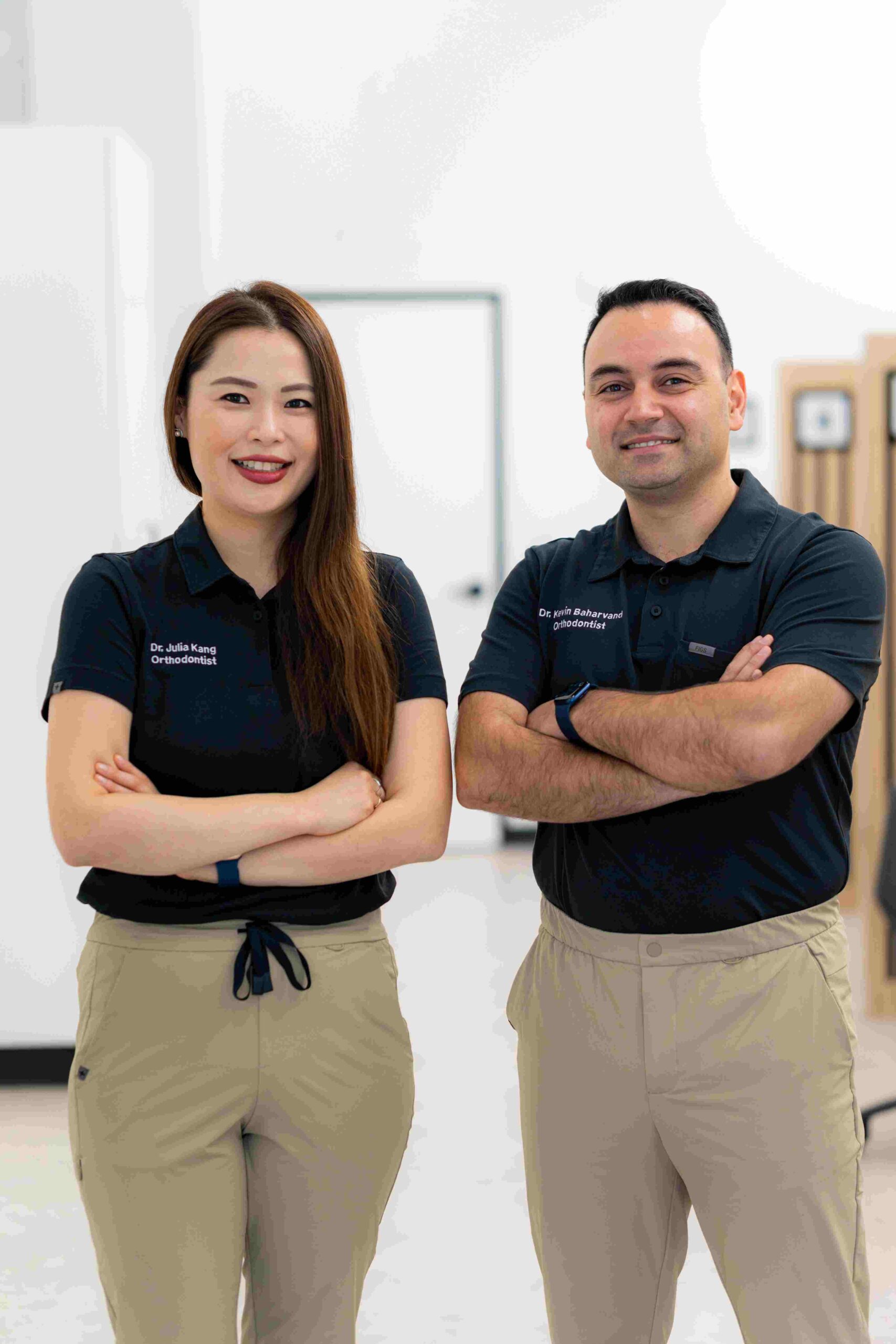
With over 1,000 five-star reviews across three locations, Elate Orthodontics is led by Dr. Kevin Baharvand, DMD, MS, a Diplomate of the American Board of Orthodontics, whose clinical work was recently selected for the cover of the American Journal of Orthodontics and Dentofacial Orthopedics, the most prestigious peer-reviewed journal in the field, and a national speaker on clear aligner treatment. Alongside Dr. Julia Kang, DMD, MS, both Boston University graduates and members of the Omicron Kappa Upsilon national honor society, our husband-and-wife team has been recognized as D Magazine Best Dentist 2026, Living Magazine Readers’ Choice 2026 Best Orthodontist in Frisco & Plano, Readers’ Choice Best Orthodontist in The Colony, Best New Business by the Chamber of Commerce, Nextdoor Neighborhood Favorite, and featured in Orthotown and Authority Magazine.
We serve families through three convenient offices in West Frisco, North Frisco, and The Colony, each staffed by the same trusted team, equipped with advanced technology, and committed to the personalized approach that consistently helps patients finish treatment sooner than expected. From braces and clear braces to Angel Aligners, we offer treatment for every age and every stage of life. We stay in-network with most insurance plans and offer flexible financing to make exceptional orthodontic care accessible for every family we serve.
Need general and family dentistry too? Our sister practice, Tribute Family Dentistry, provides dental care for all ages.
Book a free consultation: 972.538.4343
Dr. Kevin Baharvand, DMD, MS
Diplomate of the American Board of Orthodontics and a national speaker on clear aligner treatment. Dr. Baharvand practices at Elate Orthodontics in West Frisco, North Frisco, and The Colony, where he and Dr. Julia Kang lead a team focused on airway-friendly, patient-first orthodontic care. Meet Dr. B.